Words, Music, and Symbols: How to Create a Personal Civil Funeral
Words, Music, and Symbols: How to Create a Personal Civil Funeral
A civil funeral offers the freedom to say goodbye in a way that truly reflects a person’s life, values, and personality—without the structure of a religious service. It can be a deeply meaningful way to honor someone’s memory, where words, music, and symbols come together to tell their story. Here’s how you can plan a personal and heartfelt civil funeral that feels right for family and friends alike.
What Defines a Civil Funeral?
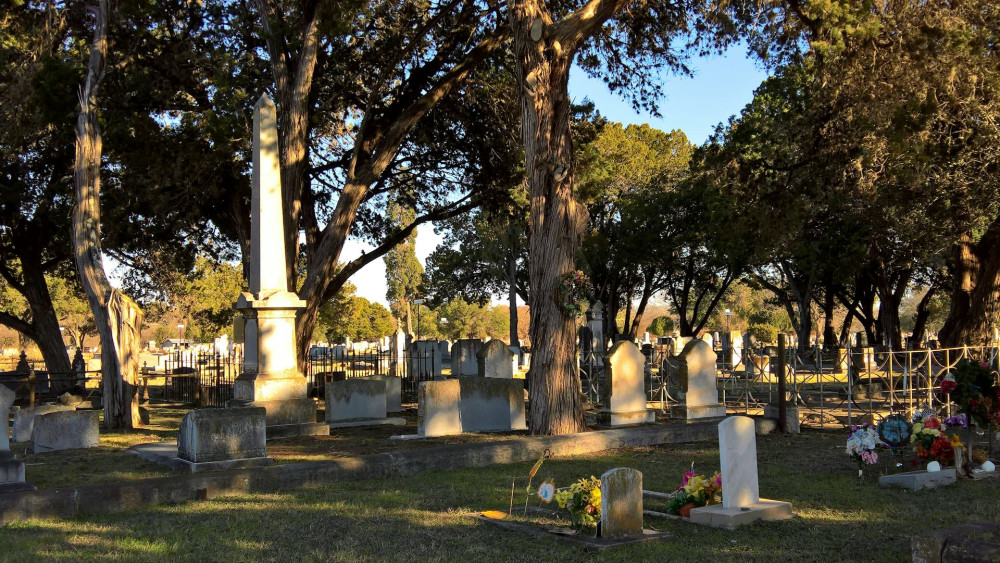
A civil funeral is a non-religious ceremony that focuses on the life and legacy of the person who has passed away. It can take place almost anywhere: a funeral home chapel, a community center, a park, a private home, or even a favorite outdoor spot. There are no fixed rules, which means you can shape the ceremony to fit the individual’s personality and the family’s wishes.
The most important thing is that the farewell feels genuine and respectful. Some families prefer a quiet, intimate gathering with a few words and gentle music, while others choose a more celebratory tone with stories, photos, and shared songs. Both approaches can be equally meaningful—it’s about creating a space where memories can be shared and emotions expressed.
Words That Speak from the Heart
Speeches and readings are often the most personal part of a civil funeral. A close friend, family member, or celebrant may speak about the person’s life, character, and the impact they had on others. A good tribute doesn’t have to be long or formal—it just needs to be sincere and spoken with warmth.
You might include short anecdotes, favorite sayings, or excerpts from letters or journals. These small details bring authenticity and intimacy to the ceremony. Some families also choose to read poems, short passages, or reflections that express love, gratitude, or the beauty of life. These can come from classic American poets, contemporary writers, or even words written especially for the occasion.
If you’re unsure how to begin, consider these guiding questions:
- What made this person unique?
- How did they influence your life and the lives of others?
- What values or memories do you want to carry forward?
Music That Sets the Tone
Music has a powerful way of expressing what words cannot. It can bring comfort, evoke memories, and create a sense of connection. Choose music that the person loved—whether it’s classical, folk, jazz, country, or a favorite song from their youth.
Many ceremonies include three pieces of music: one to open, one in the middle, and one to close. The opening piece sets the mood, the middle piece allows for reflection, and the final piece marks the farewell. You can use recorded music or invite live performers if that feels right.
If you’d like to include a communal song, choose something that speaks to universal themes like love, nature, or hope—songs that bring people together regardless of belief. The goal is to create a shared emotional experience.
Læs også:

Symbols and Rituals with Meaning
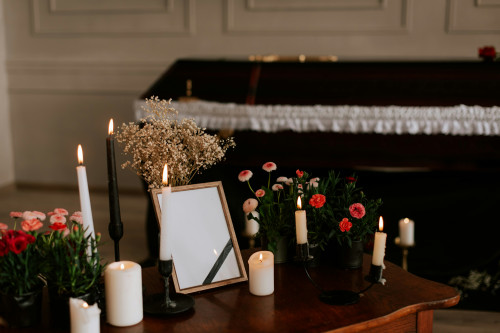
Even without religious elements, symbols can play a powerful role in a civil funeral. They help create a sense of unity and give participants something tangible to focus on.
Here are a few ideas:
- Candles – Light a candle for the person who has passed, or invite guests to light their own as a sign of remembrance.
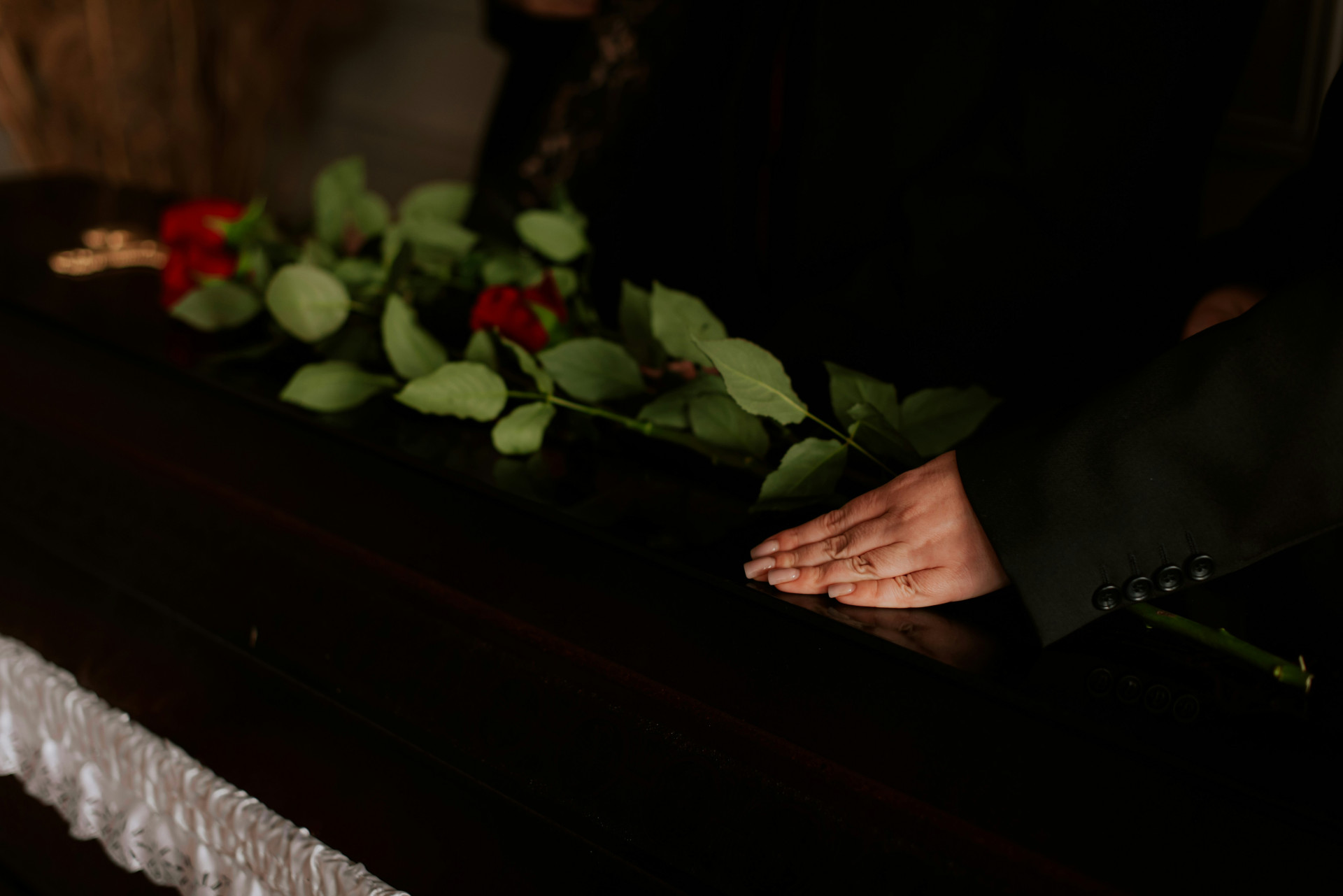
- Flowers – Choose flowers that held special meaning, or let each guest place a single bloom near the casket or urn.
- Photos and keepsakes – Display pictures or personal items that tell the story of the person’s life.
- Nature’s elements – Incorporate stones, leaves, shells, or water to symbolize the cycles of life and renewal.
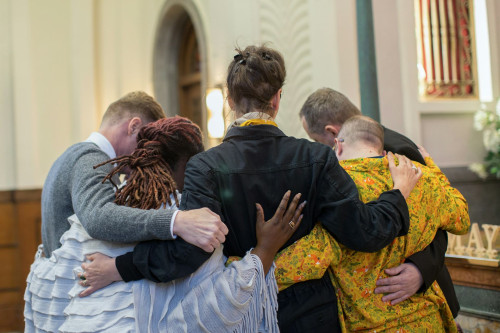
- Farewell gestures – Invite guests to write a message, share a memory, or simply stand together in silence.
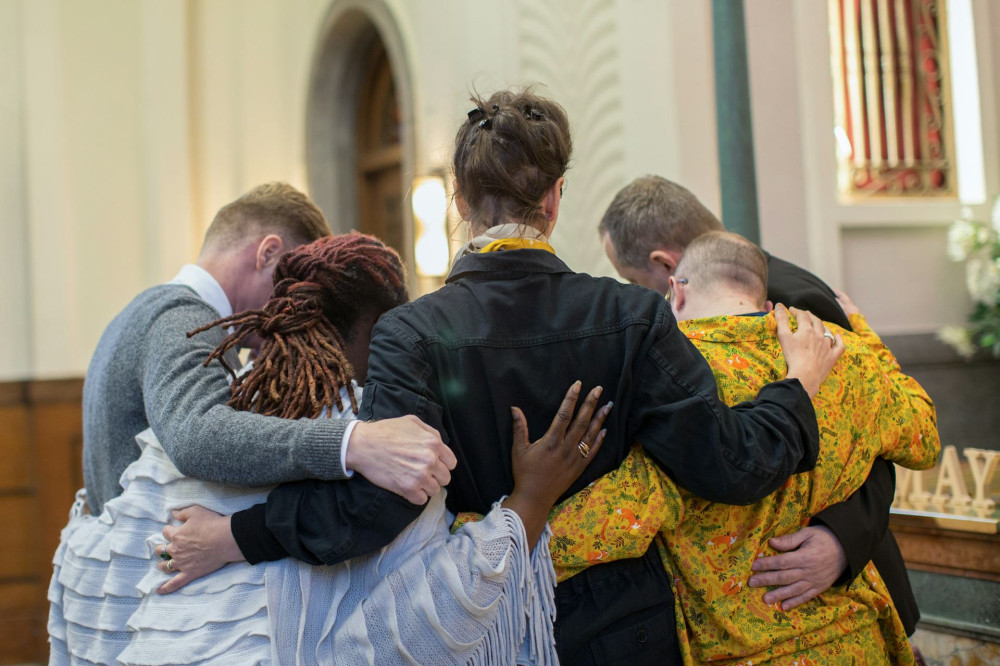
These small acts can bring rhythm and depth to the ceremony, helping everyone feel part of the farewell.
Planning and Practical Considerations
When planning a civil funeral, it can be helpful to work with a funeral director or celebrant experienced in non-religious services. They can assist with logistics such as choosing a venue, arranging transportation, and coordinating with a crematory or cemetery.
Decide who will lead the ceremony. It could be a professional celebrant, a family member, or a close friend—someone who feels comfortable guiding the event and setting the tone. Create a simple outline of the ceremony so everyone involved knows when to speak or perform. This preparation helps the day flow smoothly and allows participants to be fully present in the moment.
A Farewell That Lasts
A civil funeral is more than a goodbye—it’s a celebration of a life lived. When words, music, and symbols come together, they can create a ceremony that lingers in memory long after the day has passed. It doesn’t have to be perfect; it just has to be personal.
By focusing on the person’s life, values, and the connections they built, you can create a farewell that feels authentic and meaningful—a ceremony that honors the past while offering comfort and hope for the future.
Læs også: