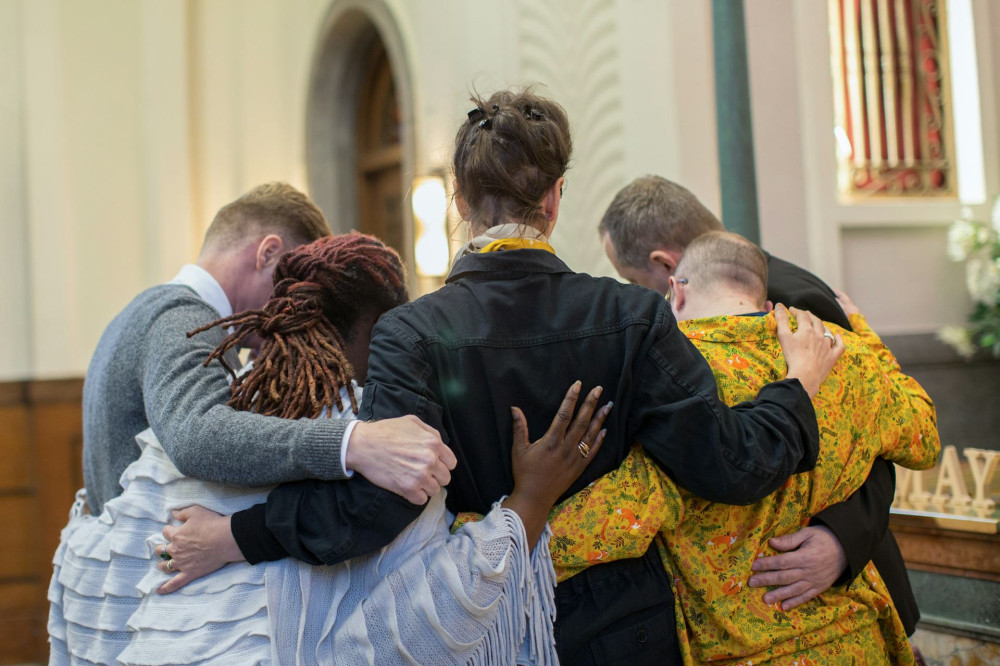
Gratitude as a Path to Peace and Meaning After a Loss


Gratitude as a Path to Peace and Meaning After a Loss
When someone we love dies, we are left in a space where grief, longing, and unanswered questions fill the air. In the midst of that emptiness, gratitude can become an anchor — a way to find calm, create meaning, and begin the slow movement from loss toward healing.
What Does It Mean to Practice Gratitude After a Loss?
Gratitude after loss is not about denying pain or pretending everything is fine. It is about acknowledging the love, memories, and moments that remain. It can take many forms: a memorial gathering, a quiet reflection, a letter written to the one who has passed, or simply a daily moment of thanks for what their life brought into yours.
In the United States, many families find comfort in holding a “celebration of life” — a gathering that focuses not only on saying goodbye but also on honoring the person’s story. Whether it takes place in a church, a backyard, or a favorite park, such moments allow people to shift their focus from the finality of death to the richness of a life lived.
A Framework for the First Steps Through Grief
Grief is not something to be solved; it is something to be lived through. Creating a space for gratitude can be one of the first steps in that process. It offers structure in a time when everything feels uncertain and helps the bereaved find a shared language for what has happened.
When people come together to share memories, a sense of community forms around the loss. Hearing others speak about how the person touched their lives can be deeply comforting. It reminds us that the one we lost continues to live on in the stories, habits, and love they left behind.
Gratitude as a Counterbalance to Emptiness
Saying “thank you” in the midst of sorrow can feel impossible. Yet gratitude holds a quiet strength. It reminds us that even though life has changed, it has also been full of meaning.
When we name what we are thankful for — a laugh, a lesson, a shared moment — our focus shifts from what we have lost to what we have received. The pain does not disappear, but it becomes intertwined with appreciation. Many people find that expressing gratitude brings a sense of peace, a way to honor the person who has died while beginning to find footing in a new reality.
Læs også:



Ways to Express Gratitude
There is no single right way to express gratitude after a loss. What matters most is that it feels authentic and reflects the life of the person who has passed.
Some families choose a formal service with readings, prayers, and music. Others prefer an informal gathering with photos, favorite songs, and personal stories. Some find solace in nature — lighting candles, planting a tree, or simply sitting together in silence.
A few simple elements can help create a meaningful space:
- Words – a speech, a poem, or a letter that gives voice to gratitude.
- Music – songs that evoke memories or express emotion.
- Symbols – flowers, candles, or keepsakes that represent the person’s life.
- Community – opportunities for everyone to share memories or reflections.
The goal is not perfection but presence — a moment where both sorrow and love can be felt fully.
Finding Meaning in the Midst of Loss
When death enters our lives, it can make the world feel senseless. Gratitude cannot answer why we lose those we love, but it can help us discover meaning in how we continue to live. By gathering the threads of a life and expressing thanks for what was, we create a story that can be carried forward. It becomes a way of saying: “This person mattered — and still does.”
In that sense, gratitude is not only an ending but also a beginning. It marks the transition from shock and farewell to remembrance and hope.
The Healing Power of Ritual
Rituals have always helped people navigate life’s great transitions. They give shape to what feels formless and help us find peace in what we cannot control. Whether through a memorial service, a family dinner, or a quiet moment of reflection, gratitude can serve as such a ritual.
It reminds us that even in grief, there are things we can hold onto: love, connection, and the enduring impact of a life shared. When we leave that moment of gratitude, the loss is still there — but perhaps it feels just a little lighter to carry.
Læs også: