Physical Activity, Exercise, and Training – What’s the Difference?


Physical Activity, Exercise, and Training – What’s the Difference?
We often hear that we should move more, get some exercise, and stick to a training routine. But what do these terms actually mean—and are they the same thing? While they’re often used interchangeably, they describe different levels of movement and purpose. Understanding the difference can help you make better choices for your health and get the most out of your efforts.
Physical Activity – Every Move Counts
Physical activity is the broadest category. It includes any movement that makes your body use energy—whether it’s walking the dog, cleaning the house, gardening, or taking the stairs instead of the elevator. It doesn’t have to make you sweat or breathe hard; it’s simply about moving your body.
Even small changes in your daily routine can make a difference. Standing instead of sitting, parking farther from the store, or taking a short walk during lunch all count as physical activity. Over time, these small actions add up and can have a big impact on your overall health.
Exercise – Movement with a Purpose
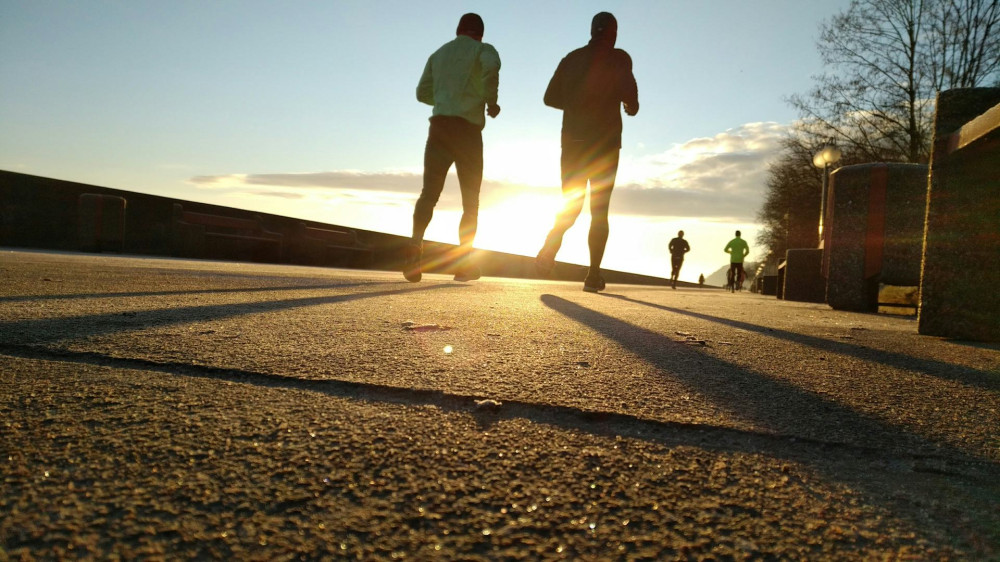
Exercise is physical activity done with a specific goal in mind. It’s more structured and intentional—like going for a jog, swimming laps, or joining a yoga class. The purpose might be to improve fitness, build strength, or simply feel better mentally and physically.
Exercise is often associated with enjoyment and well-being. It’s not necessarily about performance but about doing something positive for your body and mind. Many people find that regular exercise boosts energy, improves sleep, and reduces stress. The key is to find activities you enjoy and can fit into your lifestyle.
Training – Working Toward a Specific Goal
Training is the most structured form of physical activity. It involves a clear objective—such as running a faster mile, lifting heavier weights, or preparing for a marathon. Training usually follows a plan that carefully manages intensity, duration, and frequency.
Training requires more discipline and consistency than general exercise. It’s often part of a sport, a fitness program, or a rehabilitation plan after an injury. While exercise focuses on feeling good and staying healthy, training is about improving performance and achieving measurable results.
Læs også:




Why the Difference Matters
Knowing the difference between physical activity, exercise, and training can help you set realistic goals. If you have a sedentary job, simply increasing your daily physical activity—like walking more or standing up regularly—can be a great start. Once that becomes a habit, you can add more structured exercise or even begin a training program.
The most important thing isn’t how hard you work out, but that you move regularly. The U.S. Department of Health and Human Services recommends that adults get at least 150 minutes of moderate-intensity physical activity each week, plus muscle-strengthening activities on two or more days. But remember—every bit of movement counts.
Finding Your Balance
For some people, training is a passion; for others, adding a little more movement to daily life is enough. There’s no single “right” way to be active—it’s about finding what works for you, your body, and your schedule.
If you can combine all three levels—physical activity, exercise, and training—you’ll get the best of all worlds: a healthy body, a strong heart, and a balanced mind. Start where you are, build gradually, and most importantly—keep moving.
Læs også: