Community in Grief: When Recognition Brings Strength and Hope

Community in Grief: When Recognition Brings Strength and Hope
When we lose someone we love, the world can suddenly feel unfamiliar and hollow. Grief can consume everything, and while life around us seems to move on, we may feel stuck in place. In those moments, finding others who truly understand can make all the difference—not because they have the right words, but because they share the same ache. Community in grief can become a space where recognition brings strength, and where hope slowly begins to return.
Discovering You’re Not Alone
Grief is deeply personal, yet it is also universal. Everyone, at some point, faces loss. Still, grief often feels isolating because it doesn’t follow a schedule and rarely fits into the rhythm of everyday life. Many people say that it’s only when they meet others who have experienced similar loss that they begin to feel truly understood.
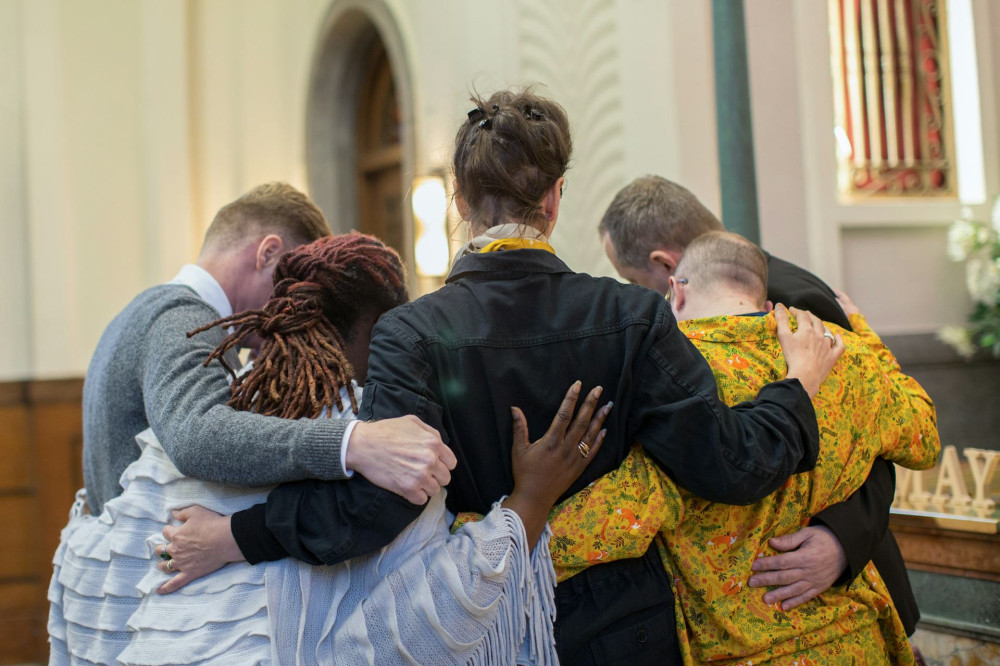
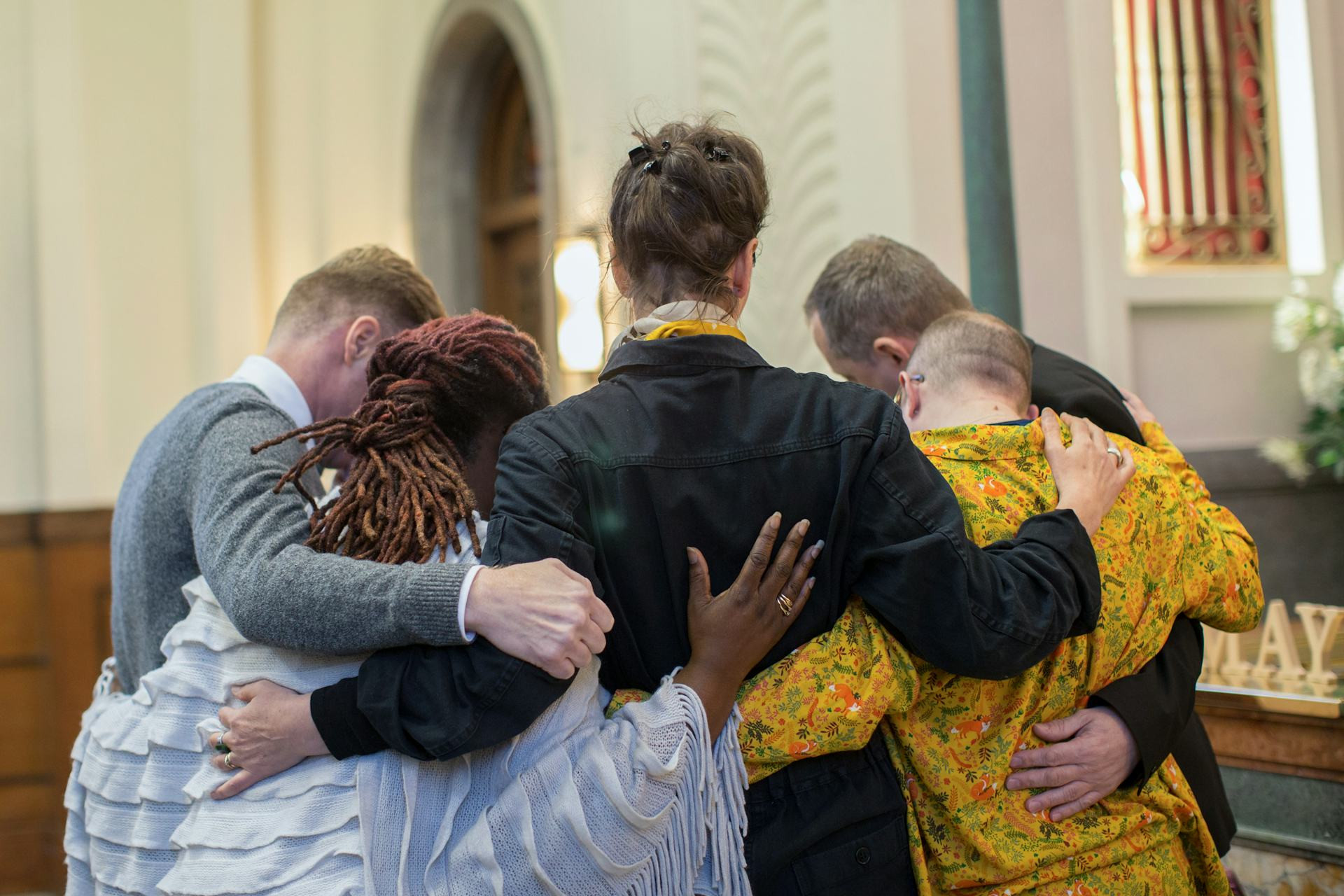
Support groups, online memorial spaces, and conversations with friends who have also lost someone can create a unique kind of connection. In these spaces, no one needs to justify why they still cry months later or why a song, a scent, or a passing memory can suddenly bring tears. Recognizing your own feelings in someone else’s story can be a relief—a reminder that you are not broken, just human.
Læs også:

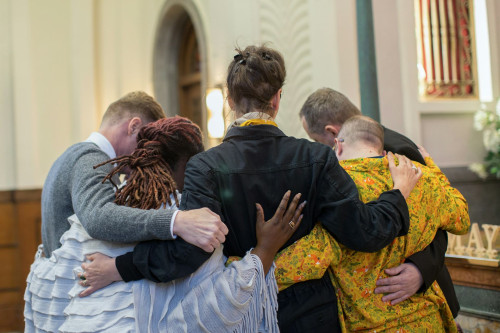


The Healing Power of Community
Research on grief consistently shows that social support is one of the most important factors in coping with loss. It doesn’t erase the pain, but it makes it more bearable. Sharing your story helps put words to emotions that can otherwise feel overwhelming. Listening to others can open new ways of understanding your own grief.
In many grief communities, there’s no pressure to speak or to “move on.” You can simply be present, listen, and feel the quiet comfort of not being alone. For some, that moment of shared understanding becomes a turning point—a place where they can finally breathe again.
Recognition as a Source of Hope
Hearing others talk about how they’ve learned to live with their loss can spark hope. Not necessarily the hope that life will return to what it was, but that it can hold meaning again. Seeing others who have found a way forward makes it easier to believe that you can, too.
Recognition also gives people the courage to speak more openly about grief in their daily lives. When we express what we need, those around us often respond with greater understanding. In this way, the sense of community can ripple outward—to family, friends, workplaces, and neighborhoods—creating a culture where grief is met with compassion rather than silence.
Finding Your Own Path
While community can be a powerful source of support, it’s important to remember that there is no single “right” way to grieve. Some people find comfort in sharing, while others need solitude. What matters most is finding what feels meaningful to you.
For some, a grief group is a temporary lifeline; for others, it becomes a lasting network. Some return later as volunteers, offering the same understanding they once received. In that way, grief can transform—not into something that disappears, but into empathy and connection that reach beyond the loss itself.
When Hope Begins to Grow
Over time, grief changes shape. It doesn’t vanish, but it becomes woven into the fabric of life—a place where love for the one who is gone still lives. Community can help us reach that point. It reminds us that even in darkness, there are moments of light: in a knowing glance, in shared silence, in a smile through tears.
To share grief is not to let it go, but to give it space within a community that helps carry it. And it is there, in the meeting of hearts that understand, that strength and hope begin to grow again.
Læs også: