Wild Herbs as Local Spices – Taste the Nature

Wild Herbs as Local Spices – Taste the Nature
Most of us think of spices as something that comes in jars and packets from the grocery store. But some of the most aromatic and flavorful seasonings grow right outside our doors. For centuries, wild herbs have flavored traditional dishes across the world, and as interest in local ingredients and sustainable cooking grows, they’re making a comeback. Foraging and using wild herbs isn’t just about taste—it’s about reconnecting with nature and the rhythm of the seasons.
Nature’s Own Pantry
Across the United States, a surprising variety of edible herbs thrive in forests, meadows, and even city parks. Many are easy to recognize and can be used directly in your cooking. Some of the most common and flavorful include:
- Wild garlic (ramps) – a springtime favorite with a bold, garlicky aroma. Use the leaves in pesto, butter, or as a seasoning for bread and roasted vegetables.
- Dandelion greens – often dismissed as weeds, but their slightly bitter flavor adds depth to salads and sautés. Young leaves are tender and mild.
- Stinging nettle – rich in iron and vitamins. Once blanched, it loses its sting and can be used in soups, omelets, or as a spinach substitute.
- Wood sorrel – with its lemony tang, it brightens up salads, sauces, and fish dishes.
- Yarrow and wild mint – aromatic herbs that can be used fresh or dried for teas, marinades, or infused oils.
Learning to identify wild herbs takes a bit of patience, but the reward is great: fresh, free, and sustainable flavors that bring the outdoors straight into your kitchen.
Foraging Responsibly
When gathering wild herbs, respect for nature is key. Only pick what you need, and always leave enough for the plants to regenerate and for wildlife to thrive. Avoid areas near busy roads, industrial sites, or places that may have been sprayed with pesticides. And most importantly, be absolutely sure of what you’re picking—some plants can look similar but be toxic.
A good way to start is by learning a few easily recognizable species and using a reliable field guide or plant identification app. Many local nature centers and foraging groups across the U.S. offer guided walks where you can learn from experienced foragers.
Læs også:


From Forest to Kitchen
Wild herbs can be used in countless ways—fresh, dried, or infused into oils and salts. Here are a few ideas to bring the taste of nature into your everyday cooking:
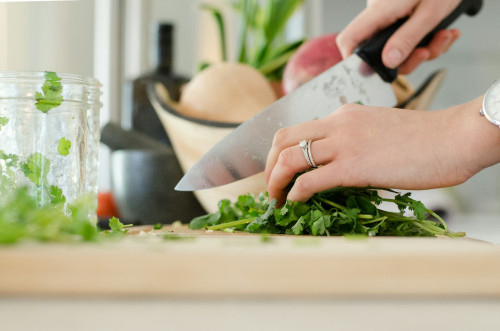
- Herb salt: Finely chop wild garlic, mint, or yarrow and mix with coarse sea salt. Dry the mixture at low heat and store it in a jar.
- Pesto: Replace basil with ramps, nettles, or dandelion greens for a wild twist on the classic Italian sauce.
- Herb butter or oil: Stir chopped herbs into softened butter or let them steep in olive oil to create aromatic spreads and dressings.
- Tea and infusions: Dry herbs like nettle, mint, or chamomile for soothing teas that taste great and offer gentle health benefits.
You don’t need fancy equipment—just curiosity and a willingness to experiment.
A Taste of the Seasons
One of the joys of using wild herbs is how they follow the changing seasons. Spring brings tender greens like ramps and sorrel, summer offers fragrant blossoms like wild mint and chamomile, and fall introduces stronger, earthy flavors from seeds and roots.
By letting the seasons guide your cooking, you not only enjoy a variety of tastes but also develop a natural rhythm in your kitchen. It’s a simple way to eat more sustainably—and more in tune with the world around you.
A New Way to Experience Food
Using wild herbs isn’t just about discovering new flavors—it’s about rediscovering the pleasure of being outdoors. A walk in the woods or along a riverside becomes a culinary adventure, where every plant tells a story. It’s an activity you can share with family, friends, or enjoy alone, offering both calm and connection.
Once you’ve tried making your own ramp pesto or sprinkling fresh sorrel over grilled fish, it’s hard to go back to store-bought spices. Nature simply tastes better.
Læs også: