Use Your Senses: How to Judge the Quality of Your Food

Use Your Senses: How to Judge the Quality of Your Food
In a world where most food comes wrapped, processed, and stamped with dates, it’s easy to forget that our own senses are still the best tools for judging quality. Sight, smell, touch, and taste have guided humans for thousands of years in deciding whether food is fresh, ripe, or spoiled. By using your senses consciously, you can reduce food waste, save money, and enjoy better-tasting meals.
Look at Color, Shape, and Surface
Your eyes give you the first clues about freshness. Color, shine, and texture can reveal a lot about a food’s condition.
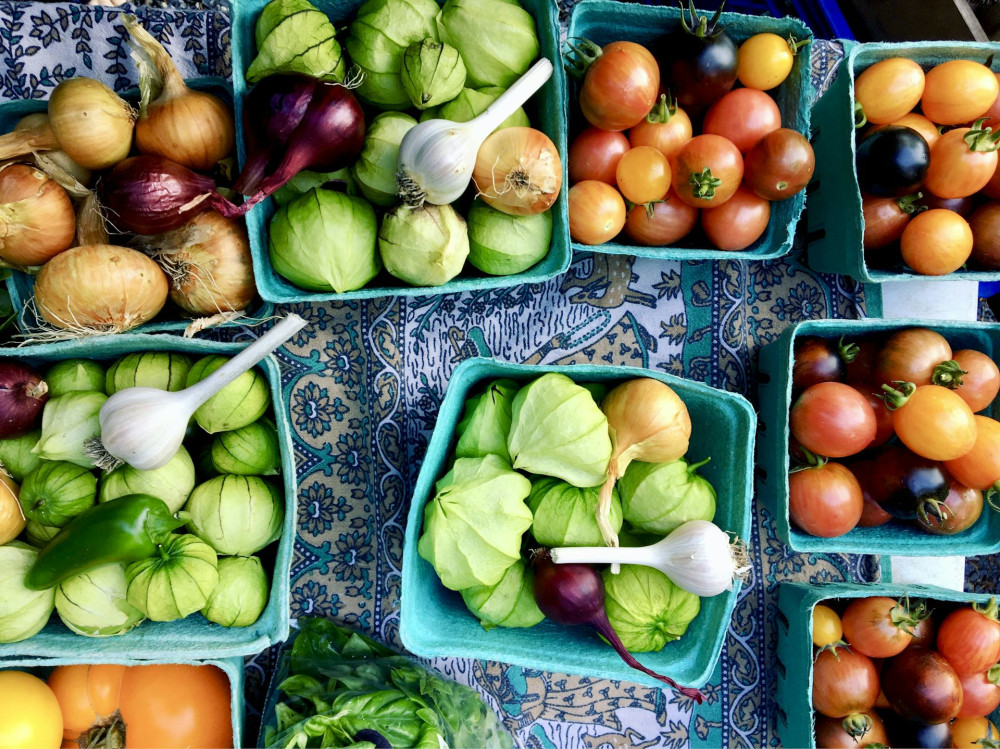
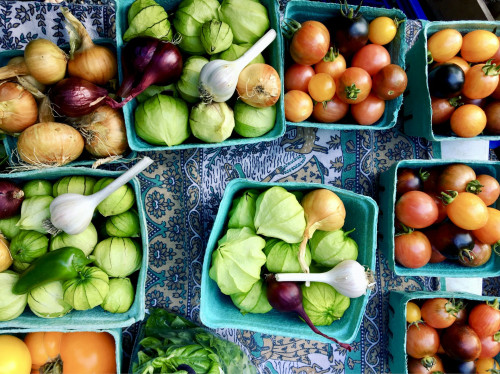
- Fruits and vegetables: Fresh produce should look vibrant and firm. Wilted leaves, dark spots, or dull skin suggest it’s past its prime. A few natural blemishes are fine, but avoid items that are brown, moldy, or leaking juice.
- Meat and seafood: Fresh meat should have an even color and a slightly moist surface. If it looks gray, dry, or has liquid pooling in the package, that’s a warning sign. Fresh fish should have clear eyes and shiny skin—not cloudy or dull.
- Dairy products: Check for changes in texture. Lumpy milk or yogurt that has separated is likely too old.
Looking closely at your food isn’t just about appearance—it’s a quick way to spot when something is starting to go bad.
Smell for Freshness
Your nose is one of the most reliable tools for detecting spoilage. Many bacterial changes produce a distinct odor long before the food looks different.
- Meat and seafood: A sour, metallic, or ammonia-like smell means it’s time to toss it. Fresh fish should smell clean and slightly briny, not “fishy.”
- Dairy products: Sour or off smells in milk, cream, or cheese indicate spoilage. However, cultured products like yogurt or buttermilk naturally smell tangy and are perfectly fine.
- Fruits and vegetables: A fermented or rotten smell shows that decay has begun. You can often remove the bad parts and still use the rest if it looks and smells fine.
Smell is also a great indicator of quality in coffee, spices, and bread. Fresh foods have a lively, pleasant aroma, while older ones lose their scent.
Feel the Texture
Touch can reveal what your eyes might miss. Texture and firmness change as food loses freshness.
- Vegetables: A crisp carrot or cucumber should feel firm and snap easily. If it’s soft or rubbery, it’s lost moisture and crunch.
- Fruit: A ripe avocado should yield slightly to gentle pressure but not feel mushy. Apples and pears should be firm, not spongy.
- Meat: Fresh meat feels springy and bounces back when pressed. If it’s sticky or slimy, it’s no longer safe to eat.
Feeling your food is especially helpful when shopping—it helps you choose the best items and avoid waste.
Taste – The Final Test
Taste is the ultimate judge. If something looks and smells fine but tastes off, trust your instincts. A bitter, metallic, or sour flavor in foods that shouldn’t taste that way is a sign they’ve gone bad.
When tasting food you’re unsure about, start with a small amount—especially with dairy, meat, or seafood. For dry goods like flour, nuts, or grains, a rancid or stale taste means the natural oils have spoiled.
Læs også:


Use Date Labels as a Guide, Not a Rule
In the U.S., “Best if used by” or “Best before” dates refer to quality, not safety. Many foods remain good well past these dates if stored properly. Use your senses to decide whether they’re still fine to eat. “Use by” dates, on the other hand, are about safety—especially for perishable items like meat and seafood—so don’t take chances there.
By combining date labels with your senses, you can avoid throwing away perfectly good food while still eating safely.
Your Senses: Tools for Reducing Food Waste
Using your senses isn’t just about enjoyment—it’s also about sustainability. A huge amount of food in the U.S. is discarded because people rely solely on printed dates instead of their own judgment. By retraining your natural instincts, you can cut down on waste and build a more mindful relationship with what you eat.
Next time you’re unsure about that yogurt or slightly soft tomato, take a moment to look, smell, and feel before tossing it. You might find it’s still perfectly good—and tastes just as delicious as ever.
Læs også: