Tired of the same meals? Here’s how to get new inspiration for your cooking

Tired of the same meals? Here’s how to get new inspiration for your cooking
Do you ever find yourself cooking the same few dishes over and over again? Between busy schedules and limited time, it’s easy to fall into a routine in the kitchen. But cooking doesn’t have to feel repetitive. With a little curiosity, planning, and creativity, you can rediscover the joy of making food—and bring fresh flavors to your table.
Challenge your habits
Most of us have go-to ingredients and recipes we rely on. We buy the same groceries, use the same spices, and stick to what we know works. It’s comfortable—but it can also be limiting. Try shaking things up:
- Buy one new ingredient each week. Pick up a vegetable you’ve never cooked with, a new type of grain, or a different kind of cheese.
- Experiment with spices. Swap chili powder for smoked paprika, or try adding fresh ginger instead of garlic.
- Reinvent a classic. Make tacos with roasted cauliflower instead of beef, or try a chicken pot pie with a biscuit topping instead of pastry.
Small changes can make a big difference—and you might discover new favorites by accident.
Let the seasons guide you
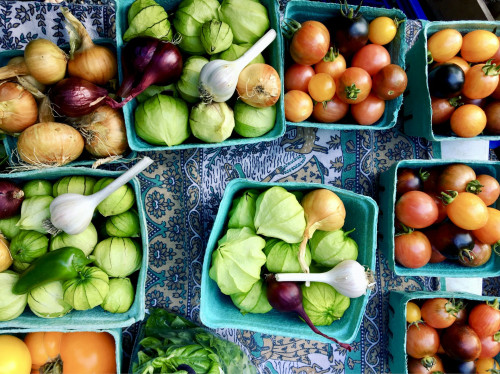
One of the easiest ways to find inspiration is to cook with what’s in season. Seasonal produce is fresher, more flavorful, and often more affordable. It also encourages you to try new things.
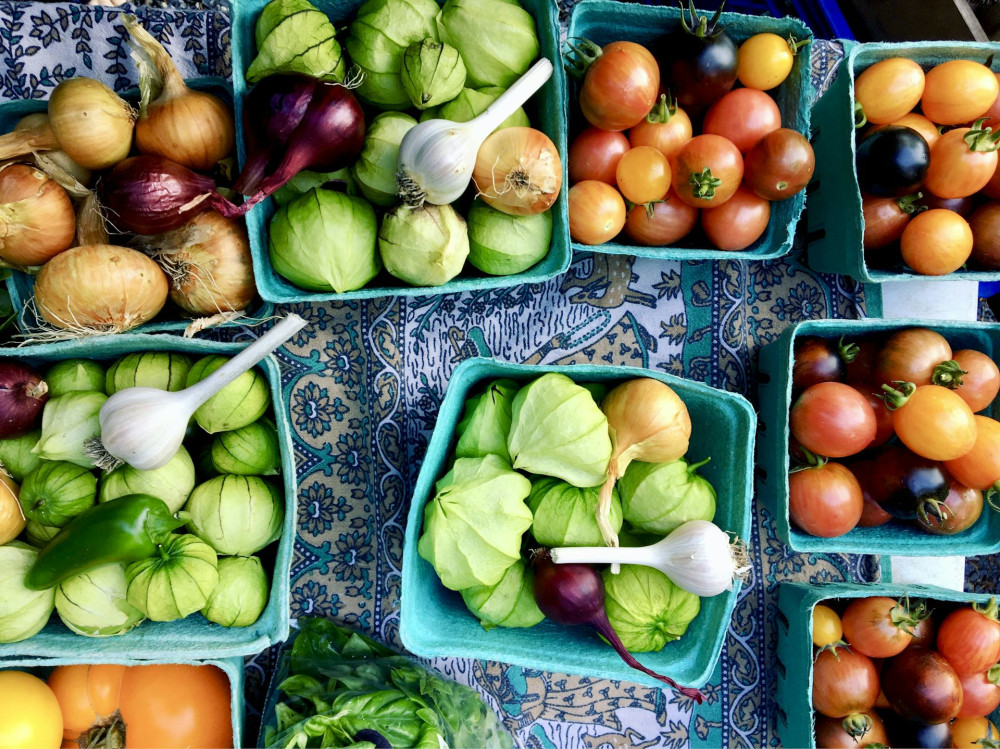
In spring, think asparagus, peas, and strawberries. Summer brings tomatoes, corn, and fresh herbs. Fall is perfect for squash, apples, and mushrooms, while winter calls for hearty soups, root vegetables, and citrus fruits.
Visit a local farmers market or join a community-supported agriculture (CSA) program. Seeing what’s fresh and local can spark ideas you won’t get from the supermarket shelves.
Læs også:

Explore global flavors
When your usual recipes start to feel dull, look to other cuisines for inspiration. Every culture has its own way of combining ingredients and creating flavor.
- Asian cuisines offer quick stir-fries, fresh herbs, and a balance of sweet, sour, salty, and spicy.
- Middle Eastern cooking uses warm spices like cumin, cinnamon, and coriander in both savory and sweet dishes.
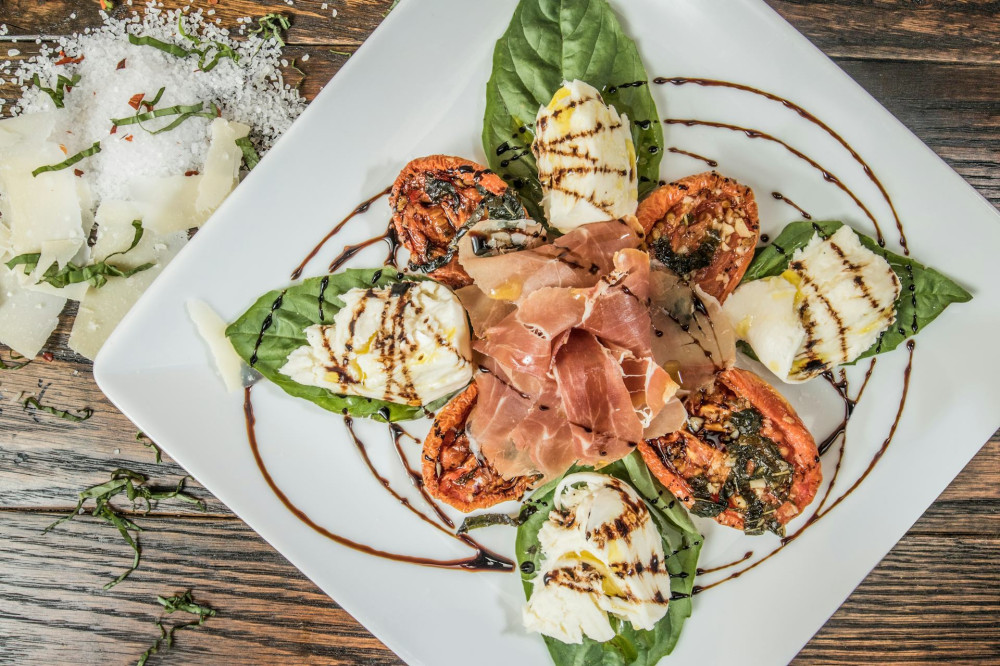
- Mediterranean food celebrates simple, high-quality ingredients—olive oil, tomatoes, fish, and fresh vegetables.
You don’t have to follow recipes exactly. Use them as a starting point and adapt them to what you already have at home.
Make cooking an experience
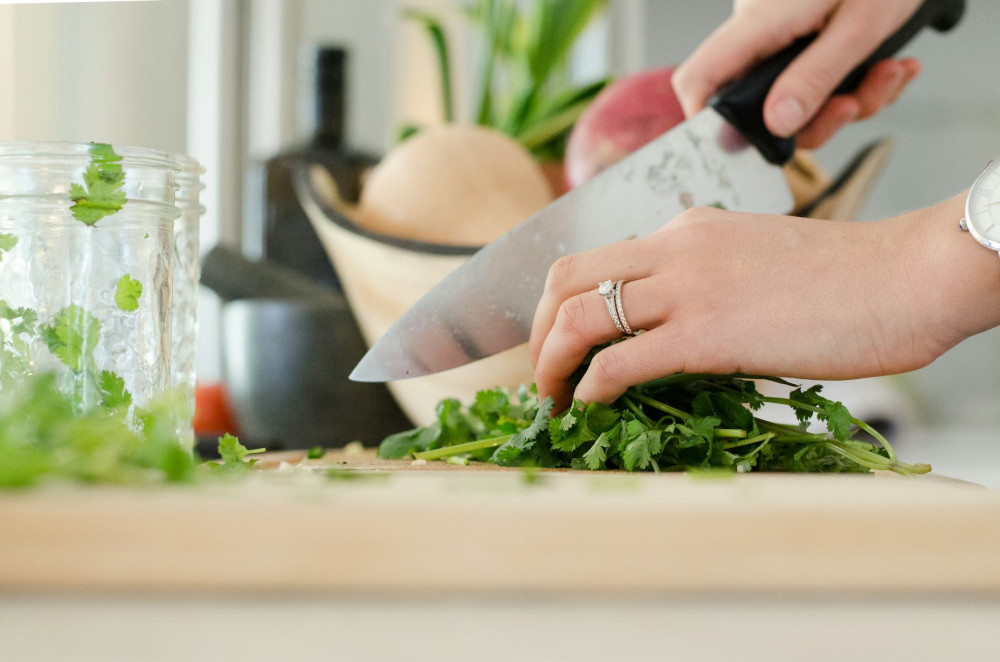
Cooking becomes more enjoyable when it’s not just about getting dinner on the table. Create a pleasant atmosphere—put on some music, pour a drink, and take your time.
Invite family or friends to join you in the kitchen. Kids can help wash or chop vegetables, and adults can each take charge of a dish. Turning cooking into a shared activity makes it feel less like a chore and more like a fun event.
You can also plan themed nights—“Italian night” with homemade pizza, “Taco Tuesday” with fresh salsa, or “Meatless Monday” with plant-based dishes. It adds variety and gives everyone something to look forward to.
Use digital tools and cookbooks
The internet is full of recipes, but it can be overwhelming. Try using apps or websites that let you search by the ingredients you already have. It’s a great way to reduce food waste and discover new combinations.
Follow food bloggers or chefs on social media for quick, creative meal ideas. And don’t forget about traditional cookbooks—flipping through a physical book can be surprisingly relaxing and inspiring compared to scrolling on a screen.
Plan ahead—but stay flexible
Meal planning can help you avoid falling back into the same old routine. Take a few minutes each weekend to plan your meals for the week. It makes grocery shopping easier and ensures variety.
But leave room for spontaneity. Maybe you find a great deal on fresh seafood or spot a new ingredient you want to try. Those unplanned moments often lead to the most creative meals.
Cooking is about curiosity
Finding new inspiration in the kitchen is really about staying curious—about flavors, ingredients, and the process itself. You don’t need to be a professional chef to make exciting food. What matters most is being willing to try, experiment, and learn along the way.
Once you start exploring, you’ll realize that cooking isn’t just a daily task—it’s a source of creativity, connection, and joy.
Læs også: