Washing Without Microplastics: How to Reduce Microfiber Emissions and Protect the Environment

Washing Without Microplastics: How to Reduce Microfiber Emissions and Protect the Environment
Every time we do laundry, tiny fibers break off our clothes and wash down the drain. Many of these fibers are made from synthetic materials like polyester, nylon, and acrylic — and they become what we call microplastics. Because they’re so small, they often slip through wastewater treatment plants and end up in rivers, lakes, and oceans, where they can harm wildlife and ecosystems. The good news is that with a few simple changes to your laundry habits, you can significantly reduce microfiber pollution. Here’s how to wash more sustainably — and protect the environment at the same time.
What Are Microfibers — and Why Are They a Problem?
Microfibers are microscopic threads that shed from textiles as they wear or are washed. Synthetic fabrics such as fleece, activewear, and many types of underwear are made from plastic-based fibers that don’t biodegrade. Once released into the environment, they can be ingested by fish and other animals — and eventually make their way into the food chain.
Researchers estimate that a single load of synthetic clothing can release hundreds of thousands of microfibers. That makes laundry one of the largest sources of microplastic pollution in American households.
Choose Clothes Wisely
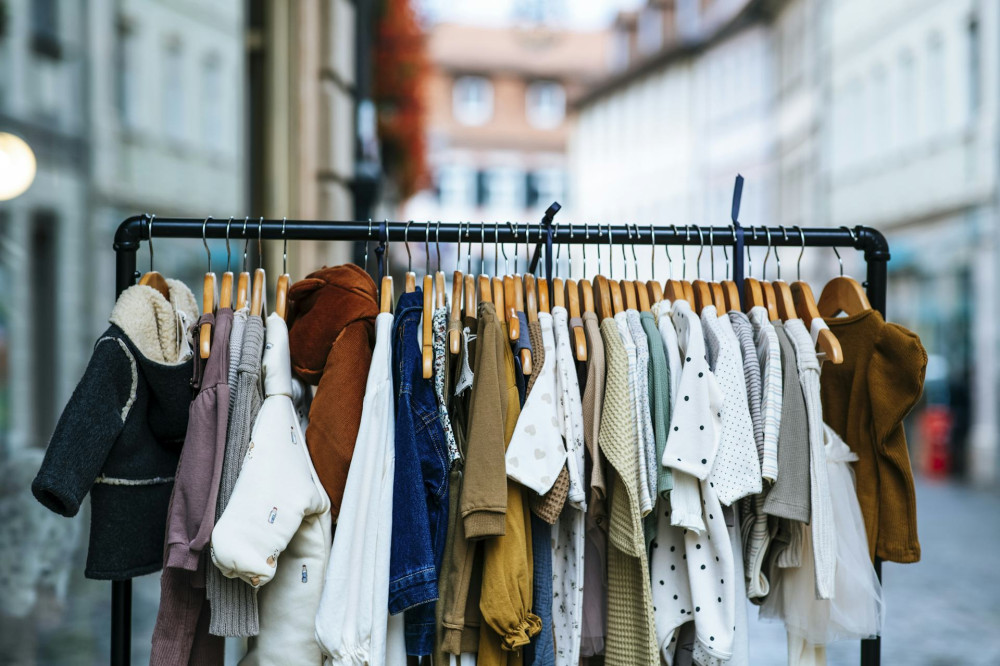
The most effective way to reduce microfiber emissions is to choose clothing that doesn’t release them in the first place. Natural materials like cotton, wool, linen, and silk don’t shed plastic fibers and will biodegrade over time.
When shopping for new clothes, you can:
- Check the label – choose natural fibers over synthetics whenever possible.
- Look for quality – tightly woven fabrics and well-made garments shed fewer fibers.
- Buy less, but better – the longer your clothes last, the less often you’ll need to wash or replace them.
If you already own synthetic clothing, don’t worry — there are still plenty of ways to minimize microfiber release.
Læs også:



Smart Laundry Habits to Reduce Microfibers
Small changes in how you do laundry can make a big difference:
- Wash less often – air out clothes instead of washing after every wear. This saves water, energy, and reduces fiber loss.
- Use full loads – a full washing machine creates less friction between garments, which means fewer fibers break off.
- Wash in cold water – high temperatures wear down fabrics faster.
- Choose gentle cycles – avoid heavy-duty or quick-wash programs that increase agitation.
- Skip the dryer – tumble drying is tough on fabrics and releases additional fibers. Line drying is gentler and more energy-efficient.
Use Laundry Bags and Filters
Several products can help capture microfibers before they reach the drain:
- Laundry bags like the Guppyfriend or similar options can trap a large portion of the fibers released during washing.
- Laundry balls can collect some fibers inside the drum, though their effectiveness varies.
- External filters for washing machines are a more permanent solution and can capture up to 90% of microfibers.
Be sure to dispose of the collected fibers in the trash — never rinse them down the sink or toilet.
Care for and Repair Your Clothes
The longer your clothes last, the less you’ll need to buy and wash new ones. With a little care, you can extend their lifespan significantly:
- Spot clean stains instead of washing the entire garment.
- Repair small holes or loose seams before they get worse.
- Store clothes properly – keep them dry and out of direct sunlight to prevent damage.
When your clothes finally wear out, look for textile recycling programs or donation centers instead of throwing them away.
Small Steps, Big Impact
Changing your laundry habits might seem like a small thing, but collectively it makes a huge difference. If every household in the U.S. reduced microfiber emissions, the amount of plastic entering our waterways would drop dramatically. You’ll also save energy, water, and extend the life of your clothes — a win for both the planet and your wallet.
Washing without microplastics isn’t about perfection; it’s about making conscious choices. Every load of laundry counts — and with a bit of care, you can help keep our environment cleaner and healthier for generations to come.
Læs også: