Practical Style: How to Choose Clothes for Changing Weather

Practical Style: How to Choose Clothes for Changing Weather
From sunny mornings to sudden downpours, unpredictable weather can make getting dressed a daily challenge. Across much of the United States, temperatures and conditions can shift dramatically within hours—especially in spring and fall. But dressing for changeable weather doesn’t mean sacrificing style. With a few smart strategies, you can stay comfortable, dry, and confident no matter what the forecast brings.
Layering: Your Best Defense
When the weather can’t make up its mind, layering is the key to comfort. It allows you to adjust your outfit throughout the day without a complete wardrobe change.
- Base layer: Start with something that wicks moisture away from your skin. Lightweight merino wool or synthetic fabrics are great choices—they keep you dry and warm even if you start to sweat.
- Middle layer: This is your insulation. A fleece pullover, a knit sweater, or a thin down jacket adds warmth without bulk.
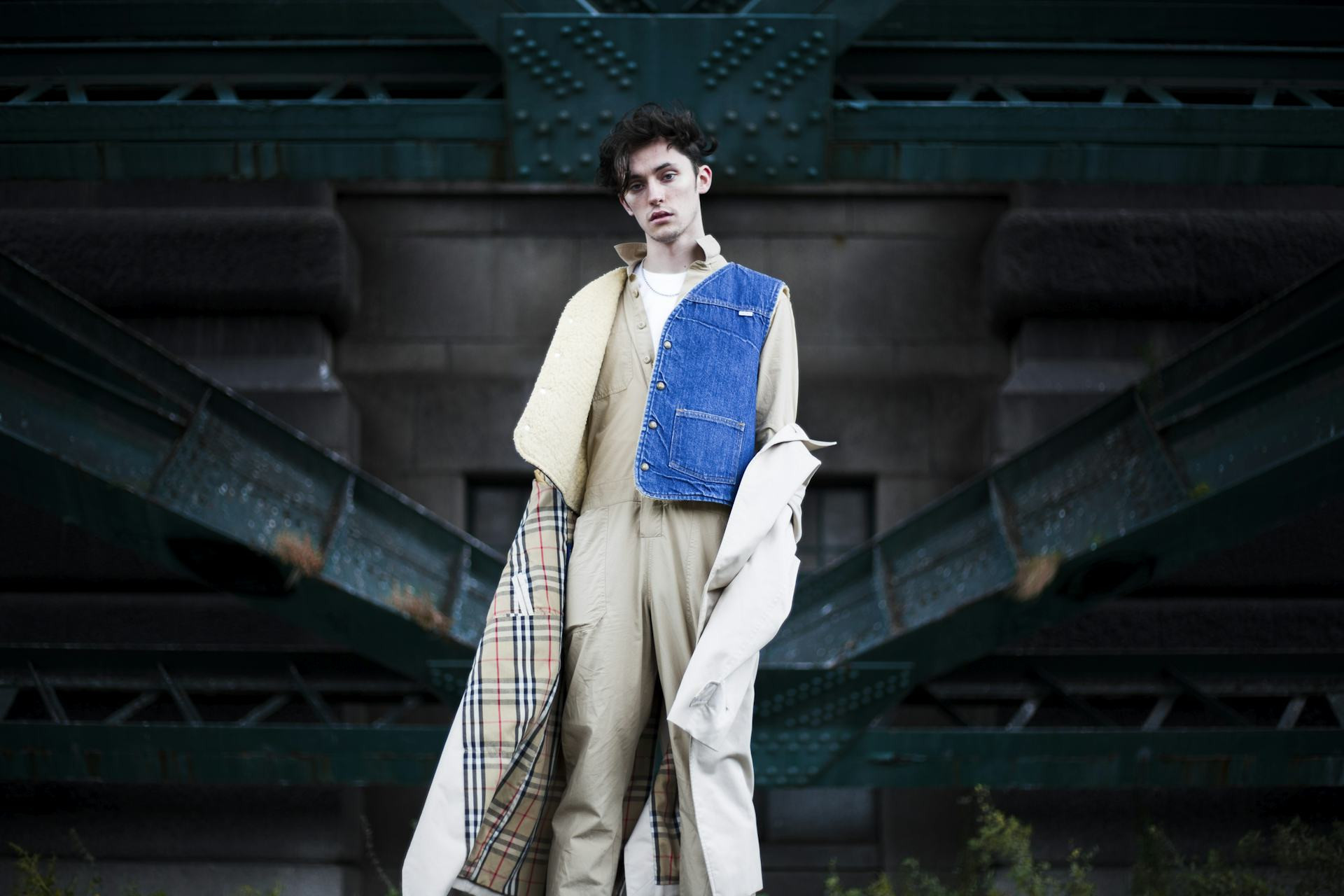
- Outer layer: The top layer should protect you from wind and rain. A waterproof shell, trench coat, or windbreaker works well depending on the season and your personal style.
By mixing and matching layers, you can easily adapt when the sun comes out or the temperature drops.
Materials That Work for You
The right fabrics make all the difference when the weather is unpredictable. Natural and technical materials each have their strengths.
- Wool regulates body temperature and resists odor, making it ideal for year-round wear. A fine merino sweater is perfect for cool mornings.
- Cotton feels soft and breathable but absorbs moisture, so it’s best for dry days.
- Technical fabrics like softshell, nylon blends, or Gore-Tex are designed to block wind and rain while allowing airflow.
Combining natural and performance materials often gives you the best balance of comfort, durability, and function.
Footwear That Keeps Up
Your feet are often the first to feel the weather shift. The right shoes can make or break your day.
- Waterproof boots or shoes are essential for rainy or snowy conditions.
- Breathable sneakers or loafers work well in mild, dry weather.
- Removable insoles made of wool or cork can add warmth and comfort when temperatures dip.
A good habit is to treat your shoes with a water-repellent spray regularly—it extends their life and keeps your feet dry.
Læs også:

Color and Style: Function Can Be Fashionable
Practical clothing doesn’t have to look plain. Many American brands now blend technical performance with modern design, so you can stay stylish while staying prepared.
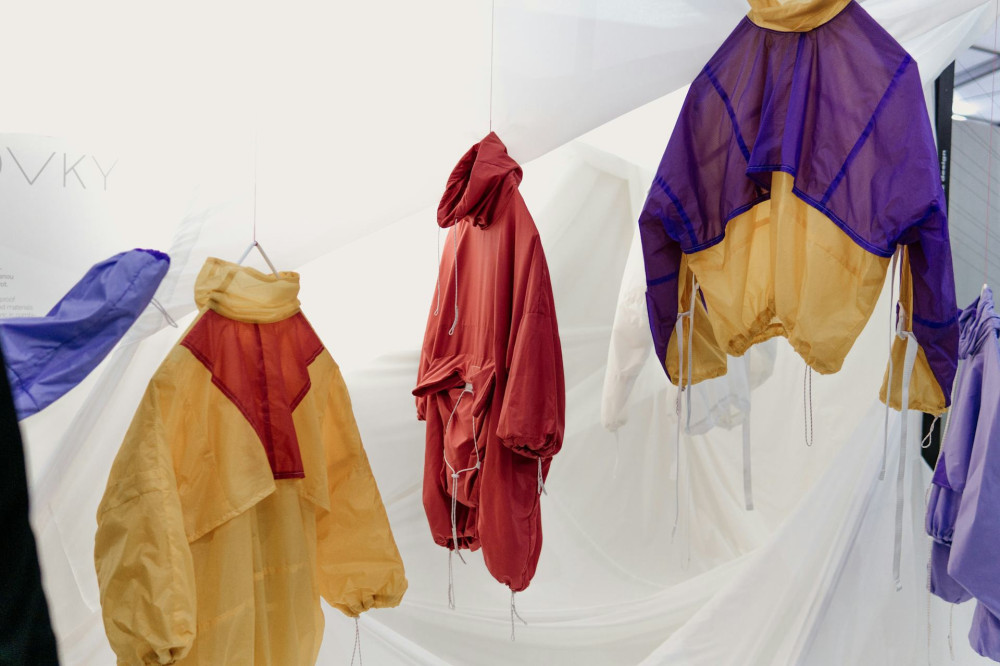
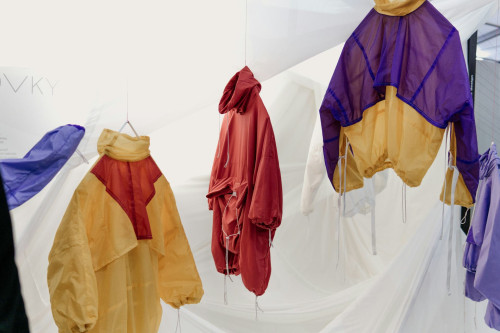
- A bright rain jacket can lift your mood on a gray day.
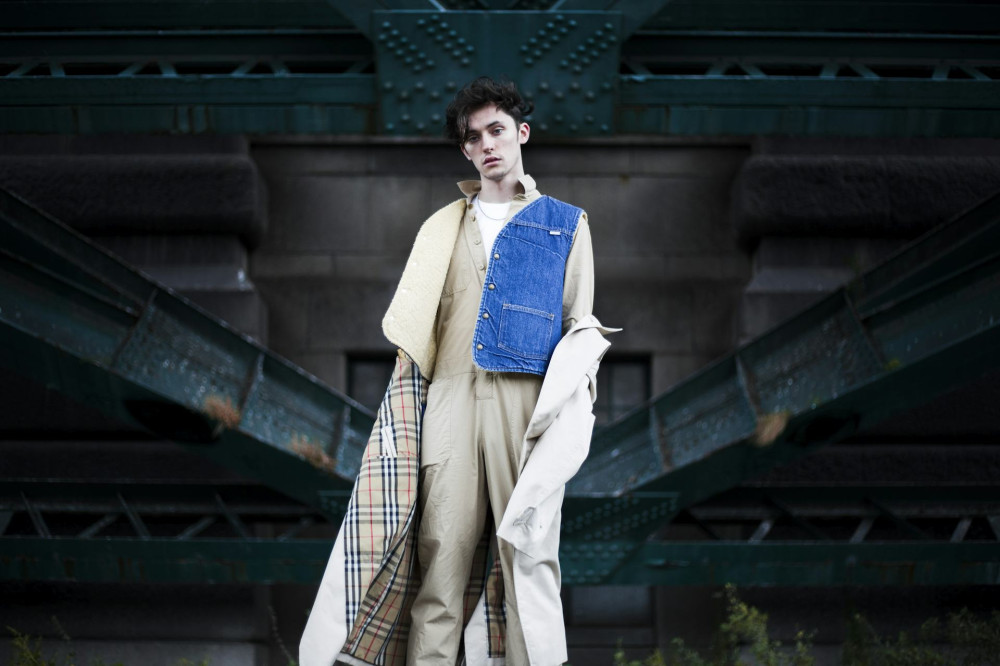
- A classic trench or utility jacket adds polish even in windy weather.
- Accessories like scarves, hats, and gloves in bold colors can bring personality to your outfit.
The goal is to find a balance between function and aesthetics—so you feel good and look good, whatever the weather.
Small Details, Big Impact
Sometimes it’s the little features that make your clothes more adaptable. Look for jackets with adjustable cuffs, hoods, and ventilation zippers. Pants with roll-up hems or zip-off legs can quickly adjust to changing temperatures. And keeping a compact rain poncho or umbrella in your bag can save the day when the clouds roll in.
A Flexible Wardrobe for Every Season
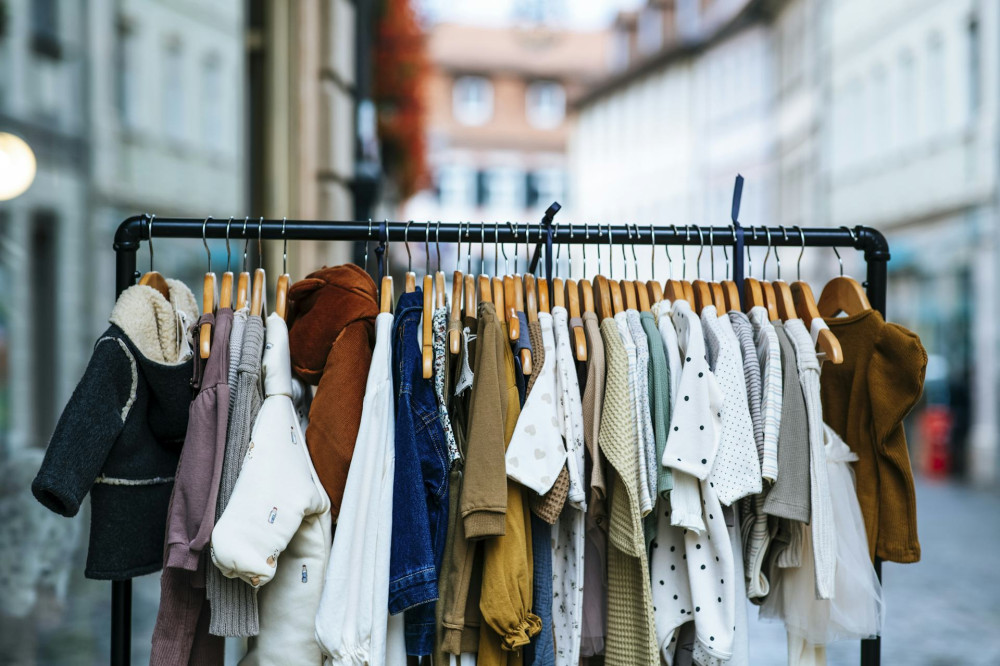
Dressing for changing weather is ultimately about flexibility. Instead of separate wardrobes for each season, build a collection of versatile basics that can be layered and combined in different ways. This approach makes it easier to respond to shifting conditions while maintaining your personal style.
With the right layers, materials, and thoughtful details, you can move through your day without overheating, freezing, or getting soaked—and still look effortlessly put together.
Læs også: