Help Your Child Develop Their Own Style in a Positive Way

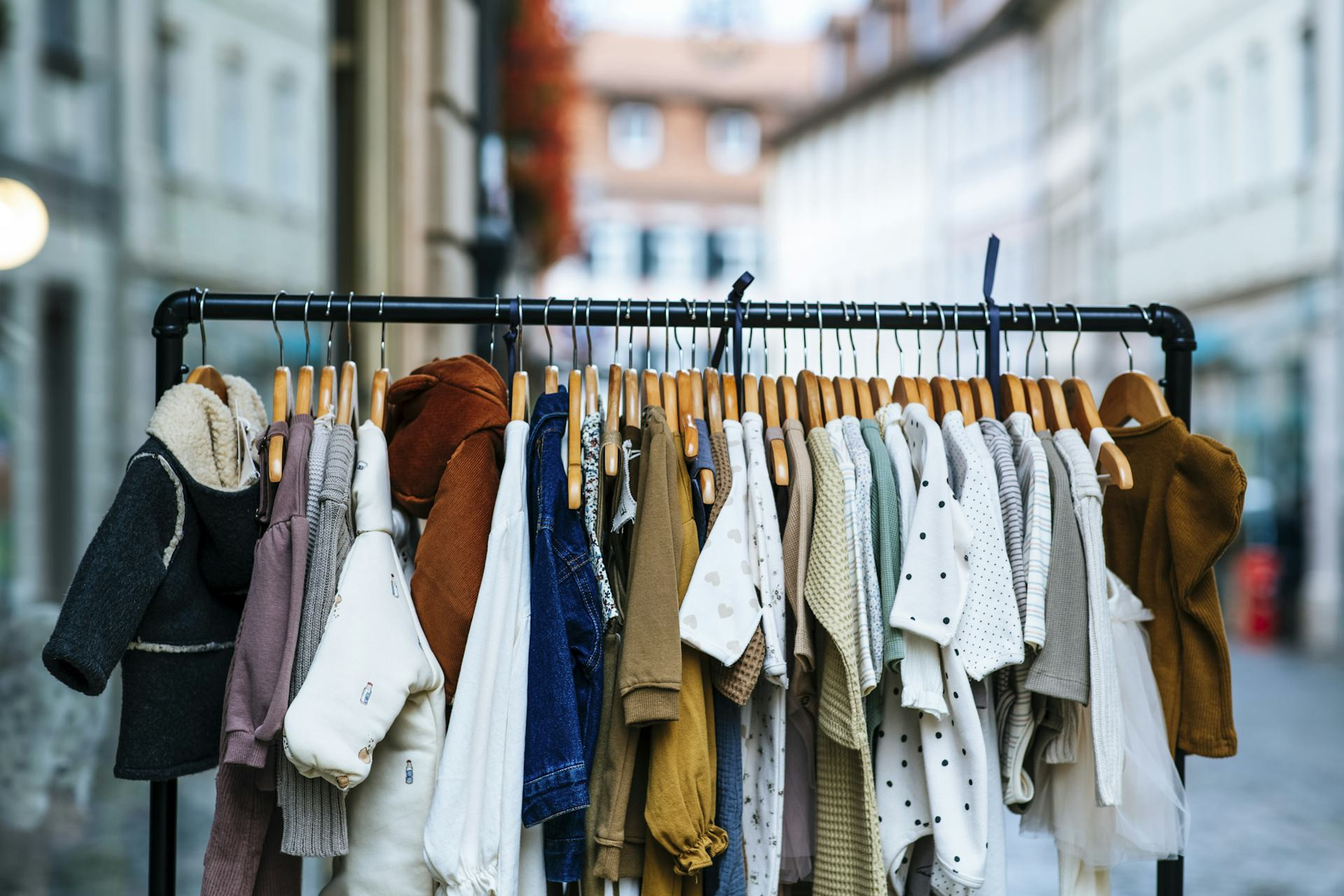
Help Your Child Develop Their Own Style in a Positive Way
When children start showing interest in clothes, hairstyles, or how they present themselves, it marks an important step in their development. They’re beginning to explore who they are—and how they want to show that to the world. As a parent, it can be both exciting and challenging to watch this process unfold. You might find yourself puzzled by color choices, unusual trends, or outfits that look nothing like what you would have chosen. But this is also a wonderful opportunity to support your child in developing their own style in a way that builds confidence and independence.
Style as Part of Identity
For kids and teens, clothing is rarely just about fashion. It’s a way to express feelings, belonging, and personality. A hoodie might represent comfort, a pair of bright sneakers might show courage, and a certain brand might help them feel connected to a group of friends.
You can help by showing genuine interest in what your child chooses—without judgment. Ask questions like, “What do you like about that shirt?” or “How did you come up with that outfit?” This shows that you respect their choices and see them as an individual with their own preferences.
Give Room for Experimentation
Children’s style often changes—sometimes from week to week. That’s completely normal. They’re experimenting to figure out what feels right. Instead of trying to control the process, you can create a safe space for exploration.
- Let them choose their outfit for special occasions, even if it’s not what you would pick. It gives them ownership of their expression.
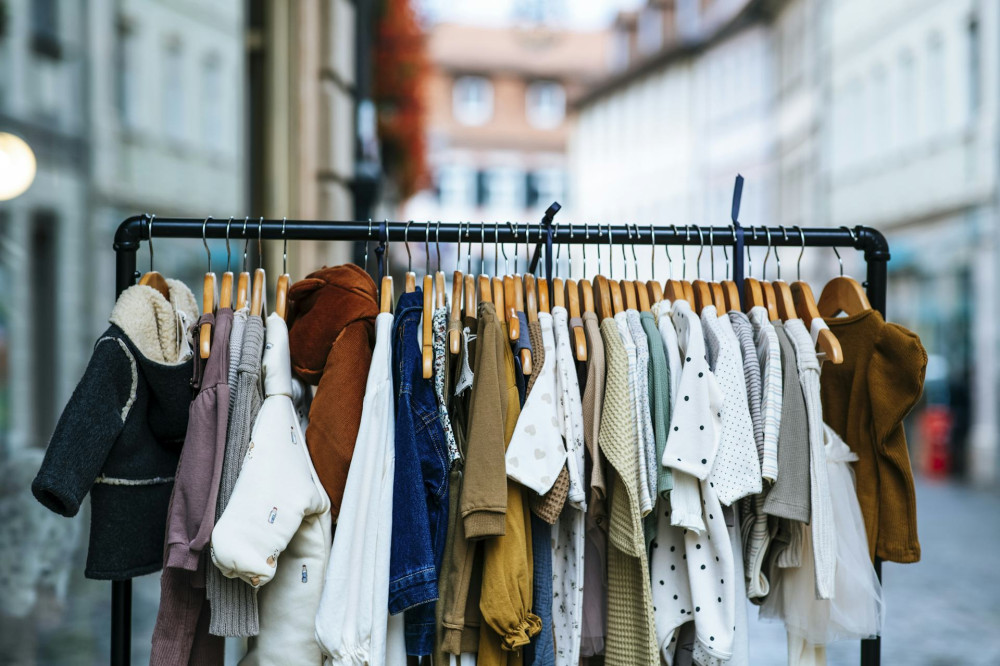
- Encourage mixing old and new. A thrift store find can be just as exciting as something brand new.
- Talk about comfort. How clothes feel is an important part of style—especially for kids who are still learning what suits them.
When you show acceptance of their choices, they learn that it’s okay to try new things—and that mistakes and changes are part of growing up.
Læs også:


Avoid Turning Style into a Power Struggle
It can be tempting to step in when your child chooses something you think is too bold, impractical, or “weird.” But conflicts about clothes are rarely just about clothes. They’re often about control and the need to be seen as independent.
Try to find compromises instead. If you think an outfit isn’t weather-appropriate, focus on the practical side: “That looks great, but do you think you’ll be warm enough without a jacket?” This shows care without criticizing their choices.
When you avoid turning style into a battle, your child learns that they can express themselves freely while also taking responsibility for their decisions.
Talk About Influence and Authenticity
Kids and teens are constantly influenced by social media, advertising, and peers. It can be hard for them to tell the difference between what they truly like and what they think they’re supposed to like. This is where you can help them reflect.
Talk about how trends start and why they change. Ask what makes an outfit “cool,” and whether it would still feel right if no one else liked it. These conversations help your child develop a more thoughtful and authentic sense of style—one that’s about self-expression, not just fitting in.
Make Style Fun and Creative
Developing a sense of style doesn’t have to be serious. It can be a fun, creative process you share together. Visit a thrift store, organize a clothing swap with friends, or try customizing old clothes with fabric paint or patches. These activities encourage creativity and a sense of community.
When you show that fashion can be fun and sustainable, your child learns that style isn’t about constantly buying new things—it’s about expressing who they are with what they already have.
Support Confidence, Not Perfection
The most important thing you can give your child is the belief that they are good enough just as they are. Style shouldn’t be a competition—it should be a way to feel comfortable and confident in their own skin. Praise their courage to try something new, rather than only commenting when something “looks nice.”
When children feel supported by their parents, they become more secure in being themselves—even when others have different opinions.
A Journey That Grows Over Time
Finding one’s style doesn’t happen overnight. It’s a journey that evolves through childhood, adolescence, and beyond. Your role as a parent isn’t to decide what your child should look like—but to support, listen, and inspire.
By approaching your child’s style development with openness and curiosity, you help them build a strong sense of identity and self-worth. And in the end, that’s far more important than whether the colors match.
Læs også: