The Kids’ Room That Lasts: Materials That Stand Up to Play and Everyday Life

The Kids’ Room That Lasts: Materials That Stand Up to Play and Everyday Life
A child’s room is more than just a place to sleep—it’s a space for play, creativity, and learning. From crayon masterpieces on the wall to toy cars racing across the floor, the room sees a lot of action. That’s why it’s important to choose materials that can handle everyday wear and tear while still feeling warm and inviting. Here’s how to design a kids’ room that’s both durable and delightful.
The Floor – The Foundation of Play
The floor takes the brunt of daily activity, so it needs to be tough, easy to clean, and comfortable for playtime.
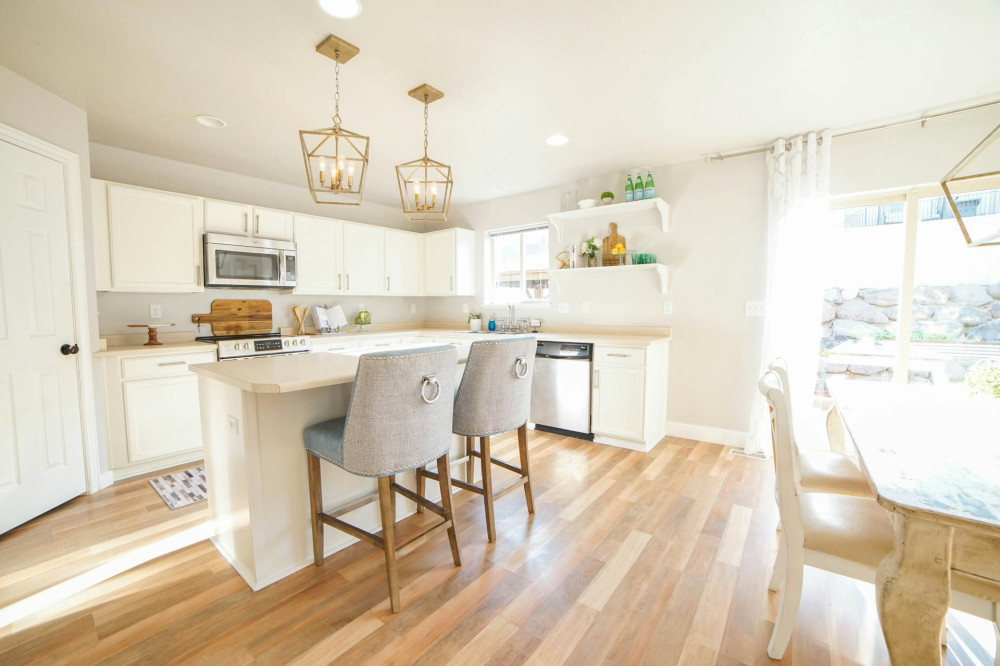
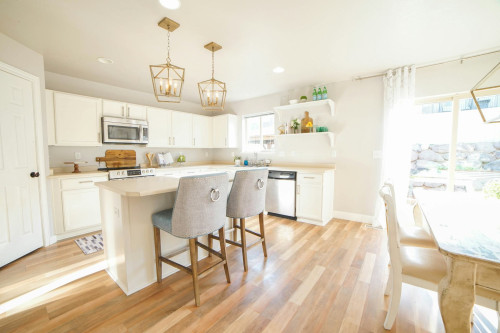
- Luxury vinyl plank (LVP) is a top choice for families. It’s soft underfoot, water-resistant, and available in countless styles that mimic wood or stone. It’s also easy to wipe clean after spills or art projects.
- Laminate flooring offers a similar look to hardwood but at a lower cost and with better scratch resistance. It’s a great option for high-traffic areas.
- Hardwood floors bring warmth and timeless appeal. Choose a durable species like oak or maple and protect it with a strong finish. Add a play rug to soften the space and protect the surface.
For extra comfort, consider foam play mats or area rugs that can be easily cleaned or replaced as your child grows.
Walls That Welcome Creativity
Walls in a kids’ room rarely stay spotless for long. Opt for finishes that can handle a little artistic expression.
- Washable paint in an eggshell or satin finish makes it easy to wipe away fingerprints and smudges.
- Chalkboard or magnetic paint turns a section of the wall into a creative zone for drawing or displaying artwork.
- Removable wallpaper adds personality without long-term commitment. It’s perfect for changing themes as your child’s interests evolve.
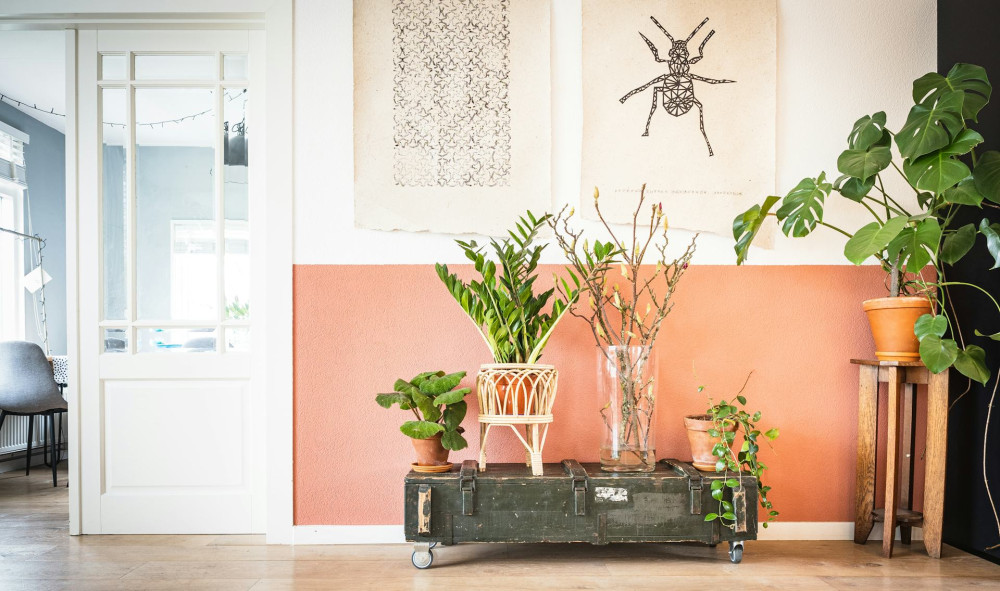
A smart design trick: paint the lower half of the wall in a darker shade to disguise scuffs and marks while keeping the upper half light and airy.
Læs også:
Furniture That Grows With Them
Kids grow fast, and their furniture should keep up. Look for pieces that adapt over time.
- Adjustable desks and chairs can transition from preschool crafts to homework sessions.
- Convertible beds—from toddler to twin—extend the life of your investment.
- Modular storage systems with bins or drawers make it easy to keep toys, books, and clothes organized.
Choose materials like solid wood, powder-coated metal, or high-quality MDF with a durable finish. These stand up better to daily use and can be repainted or refinished when it’s time for a refresh.
Textiles That Can Take a Beating
Soft furnishings bring comfort and color, but they also need to be practical.
- Go for cotton, linen, or durable blends that can handle frequent washing.
- Avoid delicate fabrics like silk or wool that require special care.
- Choose removable covers for cushions and mattresses to make cleaning easier.
Patterns and darker colors are your friends—they hide stains and extend the life of fabrics between washes.
Small Details, Big Difference
Durability isn’t just about big surfaces—it’s also in the details.
- Use wall-mounted lighting instead of table lamps to prevent accidents during play.
- Add corner guards or edge protectors on furniture for safety and longevity.
- Pick furniture with rounded edges to minimize bumps and bruises.
- Ensure good ventilation and choose low-VOC paints and finishes to keep the air healthy for your child.
A Room That Evolves
A well-designed kids’ room should grow with your child—from toddler to teen. Start with neutral, long-lasting materials for the main elements, and bring in personality through bedding, art, and accessories. That way, you can easily update the look without starting from scratch.
With the right materials and a little planning, you can create a space that stands up to play, supports creativity, and feels like home for years to come.
Læs også: