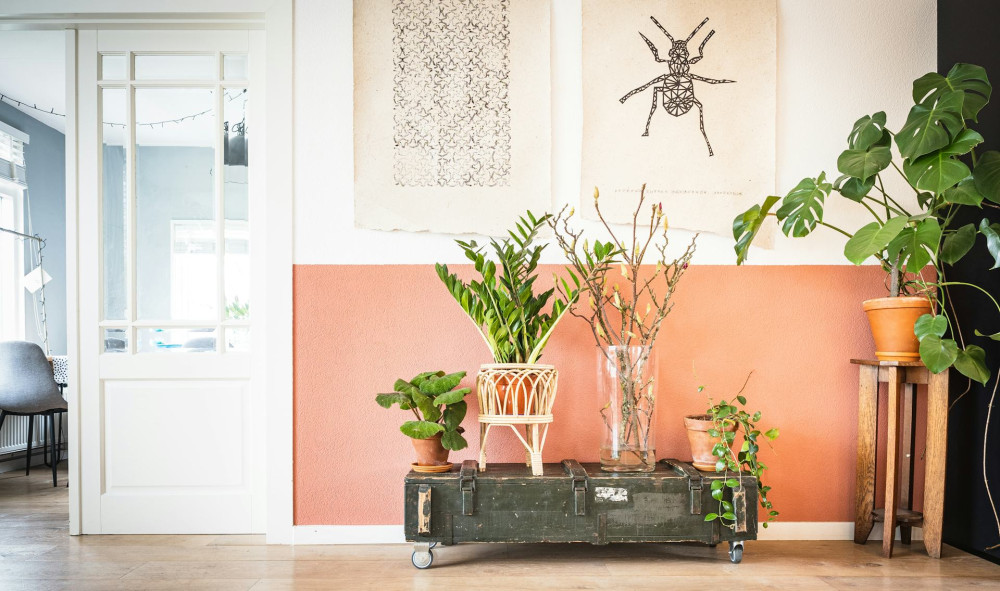
Plants as a Design Element: Create Atmosphere and Cohesion in Your Garden

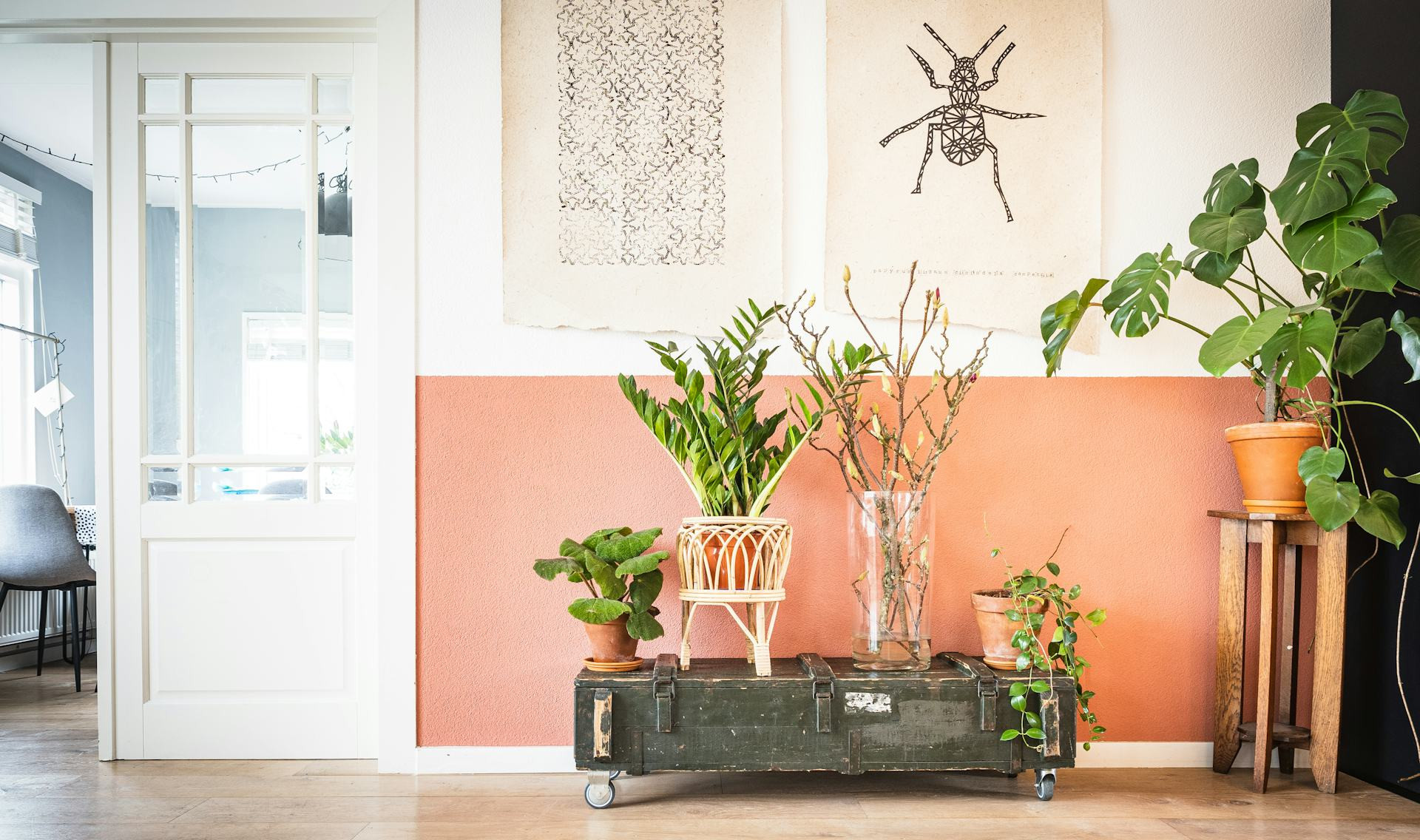
Plants as a Design Element: Create Atmosphere and Cohesion in Your Garden
Plants are more than just living decorations – they are one of the most powerful design tools you can use to shape the atmosphere, structure, and unity of your garden. With the right combination of colors, forms, and textures, you can create an outdoor space that reflects your personality and complements your home’s architecture. Here’s how to use plants intentionally as a design element in your garden.
Think in Wholes, Not Individual Plants
When planning a garden, it’s easy to fall in love with individual plants and buy them on impulse. But a truly harmonious garden emerges when plants work together as part of a larger composition. Think about how colors, heights, and bloom times interact to create balance and rhythm.
Start by choosing an overall style – perhaps naturalistic, modern, cottage-inspired, or desert-friendly – and let your plant choices support that theme. A relaxed cottage garden might feature layers of perennials and climbing roses, while a contemporary landscape could focus on ornamental grasses, evergreens, and a restrained color palette.
Create Structure and Space with Plants
Plants can serve as living architecture. Hedges, shrubs, and trees define spaces, provide privacy, and add depth. A low boxwood or lavender hedge can outline a path or flower bed, while taller shrubs can act as green walls that divide the garden into distinct zones.
Trees are especially important for structure. They add height, shade, and a natural focal point. Consider how sunlight filters through the canopy and how the tree’s shape changes through the seasons. Even a single well-placed tree can transform the character of your yard.
Color and Mood – From Calm to Vibrant
Color has a powerful effect on how we experience a garden. Cool tones like blue, purple, and silvery green create a sense of calm and spaciousness, while warm hues such as red, orange, and yellow bring energy and warmth. Use color intentionally to set the mood in different areas.
A soft, muted palette can make a patio feel serene and inviting, while a burst of bright color near the entrance can create a cheerful welcome. Repeating certain colors throughout the garden helps tie everything together, giving the space a cohesive and thoughtful look.
Texture and Form – The Garden’s Hidden Design Tools
Beyond color, the texture and shape of plants play a crucial role in design. Mixing coarse and fine textures adds visual interest and contrast. Large, glossy leaves can highlight the delicacy of feathery grasses or ferns nearby, and vice versa.
Pay attention to plant forms as well – upright, cascading, rounded, or spreading. By varying shapes, you can create rhythm and movement in the garden, much like a piece of music where each plant contributes its own note.
The Rhythm of the Seasons
A well-designed garden evolves throughout the year. By choosing plants that bloom at different times, you can ensure there’s always something to enjoy. Spring bulbs, summer perennials, fall grasses, and winter evergreens can together create a continuous display of life and texture.
Also consider how plants look beyond their flowering season. Seed heads, bark, and foliage can be just as decorative in winter as blossoms are in summer. A garden that changes with the seasons feels alive and engaging year-round.
Connecting House and Garden
Your garden should feel like a natural extension of your home. Echo materials, colors, or lines from the house in your plant choices to create a seamless transition. A modern home with clean lines pairs beautifully with structured plantings and simple color schemes, while a traditional home can carry a more lush and varied planting style.
Think, too, about how the garden looks from inside. Views from windows can become living artworks that shift with the light and seasons.
Læs også:
Make It Personal
While design principles are helpful, the most important thing is that your garden feels like your own. Choose plants you love and that suit your lifestyle. If you prefer low maintenance, go for hardy native species that thrive with minimal care. If you enjoy gardening as a hobby, you can experiment with more delicate or demanding plants.
Plants are living design elements – they grow, change, and surprise you. When used thoughtfully, they can help you create a garden that’s not only beautiful and functional but also full of atmosphere and personality.
Læs også: