What Does Wellness Mean to You? Find Your Own Path to Well-Being


What Does Wellness Mean to You? Find Your Own Path to Well-Being
“Wellness” is a word we see everywhere — in gyms, on social media, and in ads for everything from smoothies to smartwatches. But what does it really mean to you? For some, it’s about physical fitness; for others, it’s about mental peace, balance, or simply having time to breathe. In truth, wellness is a personal journey toward feeling whole — and there’s no single right way to get there. Here’s how you can start finding your own path.
Wellness Is More Than Self-Care Sundays
Many people associate wellness with luxury — spa days, scented candles, or expensive retreats. Those can certainly be part of it, but at its core, wellness is about creating a sustainable sense of well-being in everyday life. It’s a holistic approach that connects body, mind, and environment.
Taking care of yourself doesn’t have to mean spending money. It can be as simple as stepping outside for a walk, turning off your phone for an hour, or getting a full night’s sleep. The key is to notice what energizes you — and what drains you — and to make choices that support your balance.
Finding Balance Between Body and Mind
True well-being comes from harmony between the physical and the mental. If you’re constantly stressed, pushing harder at the gym might not help. On the other hand, too much rest without movement can leave you feeling sluggish and disconnected.
Try exploring activities that nurture both body and mind:
- Move with joy – Choose movement you actually enjoy, whether it’s dancing, hiking, yoga, or a brisk walk around the block.
- Find mental calm – Meditation, journaling, or even five quiet minutes with your morning coffee can make a difference.
- Prioritize rest – Sleep isn’t a luxury; it’s a foundation for health and focus.
- Eat with intention – Choose foods that nourish you and bring pleasure. It’s not about restriction, but about balance.
When you find a rhythm that fits your life, wellness stops feeling like a chore and becomes a natural part of your day.
Create Small Rituals That Ground You
Wellness doesn’t have to mean big lifestyle overhauls. Often, it’s the small, consistent rituals that make the biggest impact. A morning stretch, a mindful lunch break, or a short walk after dinner can help you reset and reconnect with yourself.
Think about the moments in your day that bring you calm — and make them intentional. Maybe it’s listening to music, lighting a candle, or taking a few deep breaths before bed. These small acts can anchor you in the present and remind you to slow down.
Wellness in Community
While wellness is often seen as a personal pursuit, connection with others is a powerful part of feeling well. Sharing experiences, supporting one another, and feeling a sense of belonging can boost both mood and resilience.
That might mean joining a local fitness class, cooking dinner with friends, volunteering, or simply checking in with someone you care about. Community creates joy — and joy is one of the most underrated forms of wellness.
Læs også:


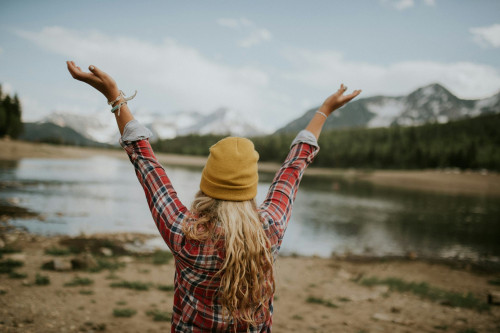

Give Yourself Permission to Pause
In a culture that celebrates productivity, it can feel uncomfortable to slow down. But listening to your body and mind is at the heart of wellness. Some days you’ll need movement; other days, you’ll need rest. Taking a break isn’t laziness — it’s self-respect.
Ask yourself: What do I need today? The answer will change, and that’s okay. Wellness isn’t a finish line; it’s an ongoing process of tuning in and adjusting as you go.
Your Path to Well-Being
There’s no universal formula for wellness. What works for one person might not work for another — and that’s the beauty of it. The goal isn’t perfection; it’s authenticity.
Start small, stay curious, and allow yourself to evolve. When you begin to prioritize your well-being, you’ll discover that wellness isn’t just about feeling good in the moment — it’s about creating a life that feels right for you.
Læs også: