The History of Blackjack – From European Card Games to a Global Casino Favorite

The History of Blackjack – From European Card Games to a Global Casino Favorite
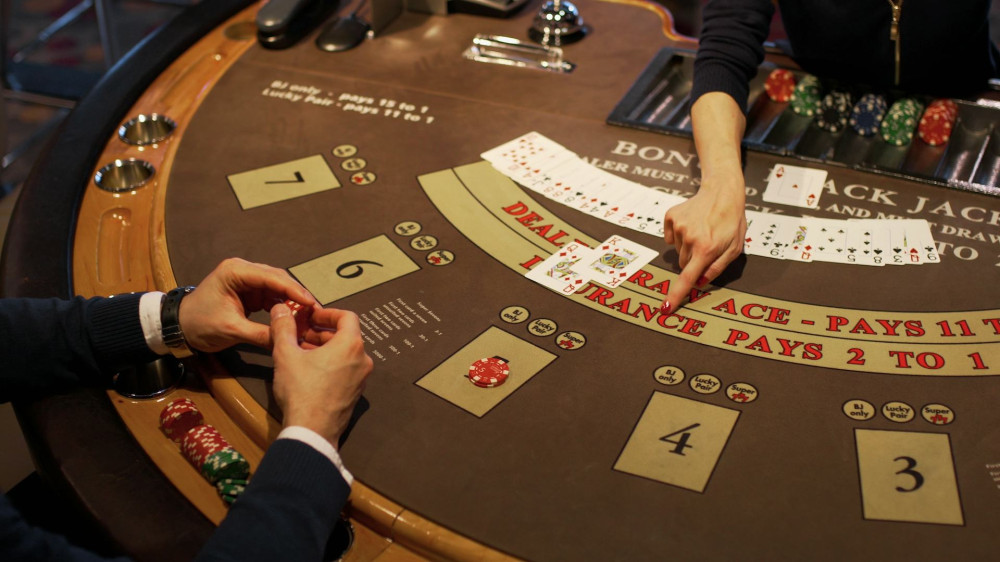
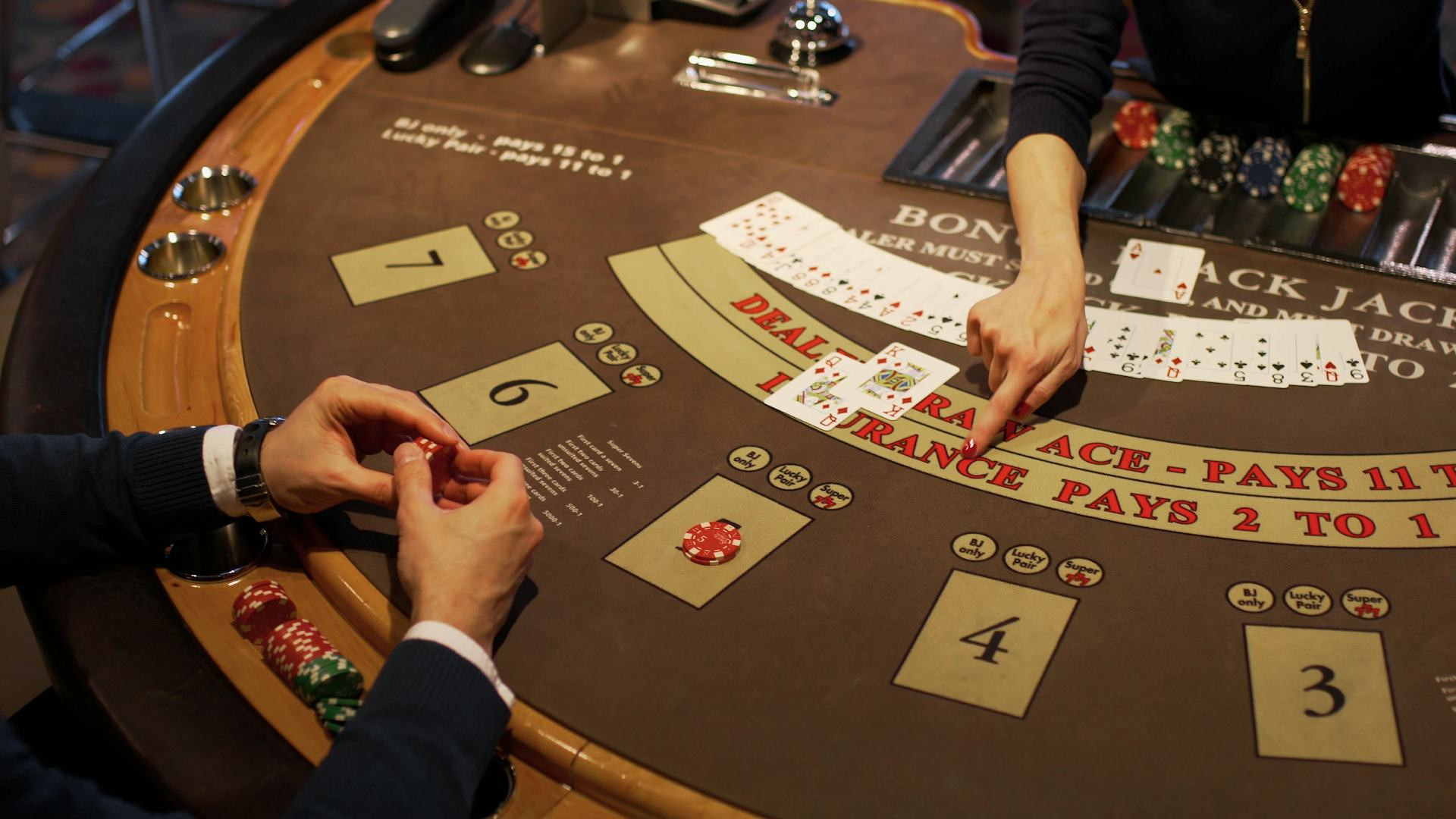
Today, blackjack stands as one of the most recognizable and widely played casino games in the world. Whether at the felt tables of Las Vegas or on digital platforms accessible from home, the game combines luck, skill, and strategy in a way that has captivated players for centuries. But blackjack’s story began long before the neon lights of modern casinos—it traces back to the card tables of 17th-century Europe.
European Origins – From “Vingt-et-Un” to “One and Thirty”
The roots of blackjack can be found in several European card games that emerged during the 1600s. In France, the aristocracy played a game called “Vingt-et-Un”—French for “21.” The objective was simple yet compelling: reach 21 points without going over. The game became a favorite pastime among the French nobility during the reign of Louis XV and soon spread to salons and gaming houses across the country.
Similar games appeared elsewhere in Europe. In Spain, players enjoyed “One and Thirty,” where the goal was to reach 31 points using three cards, while Italians played “Sette e Mezzo” (“Seven and a Half”), a game that also balanced chance and calculation. These early games shared a common principle that would later define blackjack: achieving a target score without exceeding it.
Crossing the Atlantic – The Birth of “Blackjack”
French colonists brought “Vingt-et-Un” to North America in the 18th and 19th centuries, where it began to evolve into a distinctly American game. In the early gambling halls of the United States, casinos introduced variations to attract players. One popular promotion offered a special 10-to-1 payout if a player’s hand contained the ace of spades and a black jack (either the jack of clubs or spades). Although this bonus rule eventually disappeared, the name “blackjack” stuck—and the modern game was born.
By the late 1800s, blackjack had become a staple in American gambling establishments. Rules were standardized, and casinos began using multiple decks to make cheating and card counting more difficult. The game’s blend of simplicity and strategy helped it thrive as gambling spread across the country, from riverboats to the early casinos of Nevada.
Strategy, Mathematics, and the Quest for the Perfect Hand
Unlike many other casino games, blackjack allows players to influence the outcome through their decisions. This element of control has long fascinated mathematicians and statisticians. In the 1950s and 1960s, researchers began analyzing the game systematically, culminating in the groundbreaking work of American mathematician Edward O. Thorp. His 1962 book Beat the Dealer introduced the first scientifically proven strategy for gaining an edge over the house through card counting.
Thorp’s findings revolutionized blackjack. He demonstrated that by tracking which cards had been played, a skilled player could adjust their bets and decisions to improve their odds. Casinos quickly responded by introducing multiple decks, frequent shuffling, and new rules to counteract these strategies—but the legend of the card counter was born.
Blackjack in American Pop Culture
Blackjack’s mix of intellect, risk, and suspense has made it a recurring symbol in American popular culture. The game often represents the tension between luck and logic, chaos and control. Hollywood has embraced this symbolism in films like Rain Man and 21, where card counting and casino life are portrayed as both glamorous and cerebral. For many, blackjack stands as the “thinking person’s” casino game—a contest of wits as much as chance.
At the same time, blackjack remains remarkably accessible. Its rules are straightforward, and players can enjoy it casually or competitively. This balance between simplicity and depth has helped the game maintain its enduring appeal across generations.
The Digital Revolution – Blackjack in the Online Era
The rise of the internet in the 1990s brought blackjack into a new age. Online casinos allowed players to enjoy the game from home, and digital versions quickly became some of the most popular offerings on gaming sites. Today, players can choose from countless variations—classic blackjack, multi-hand formats, and live dealer games that stream real-time action from casino studios.
Technology has also made learning the game easier than ever. Online tutorials, strategy charts, and free practice games help newcomers understand the mathematics behind blackjack and refine their skills before playing for real money. The digital era has not only expanded blackjack’s reach but also deepened its community of enthusiasts.
Læs også:



From Royal Courts to the Digital Table
Blackjack’s journey from the salons of 17th-century France to the screens of modern America tells the story of a game that has adapted to every era. Its combination of chance, strategy, and excitement continues to attract players from all walks of life. Whether played for fun, profit, or the thrill of the challenge, blackjack remains a timeless favorite—proof that the pursuit of 21 still unites players across centuries, continents, and technologies.
Læs også: