Sleep, Nutrition, and Exercise: Daily Habits That Strengthen the Immune System


Sleep, Nutrition, and Exercise: Daily Habits That Strengthen the Immune System
A strong immune system is your body’s best defense against illness—from the common cold to more serious infections. While genetics and age play a role, your daily habits have a major impact on how well your immune system functions. Sleep, nutrition, and exercise are three key pillars that work together to keep your body resilient. Here’s how small, consistent changes in your routine can make a big difference.
Sleep – The Body’s Time to Repair
During sleep, your body works hard to repair cells, regulate hormones, and strengthen immune defenses. Too little or poor-quality sleep can weaken these processes, leaving you more vulnerable to infections.
Research shows that adults who sleep fewer than seven hours a night are more likely to catch a virus than those who get eight hours. Sleep helps your body produce cytokines—proteins that fight infection and inflammation.
Tips for better sleep:
- Go to bed and wake up at the same time every day, even on weekends.
- Avoid screens and bright light an hour before bedtime.
- Keep your bedroom cool, dark, and quiet.
- Limit heavy meals, caffeine, and alcohol close to bedtime.
Even small improvements in your sleep routine can quickly boost your energy and strengthen your immune system.
Læs også:




Nutrition – Fuel for Your Immune System
A balanced, nutrient-rich diet provides the building blocks your body needs to produce immune cells and fight off illness. Vitamins, minerals, and antioxidants all play essential roles in this process.
Focus on:
- Fruits and vegetables: rich in vitamin C, beta-carotene, and other antioxidants that protect cells.
- Whole grains and legumes: provide fiber, zinc, and B vitamins that support immune function.
- Fatty fish and nuts: high in omega-3 fatty acids, which help reduce inflammation.
- Fermented foods: such as yogurt, kefir, and kimchi, which support a healthy gut microbiome—an important part of immune health.
You don’t need to eat perfectly; balance is key. A colorful plate and regular meals give your body the best chance to stay strong and healthy.
Exercise – Movement as Natural Medicine
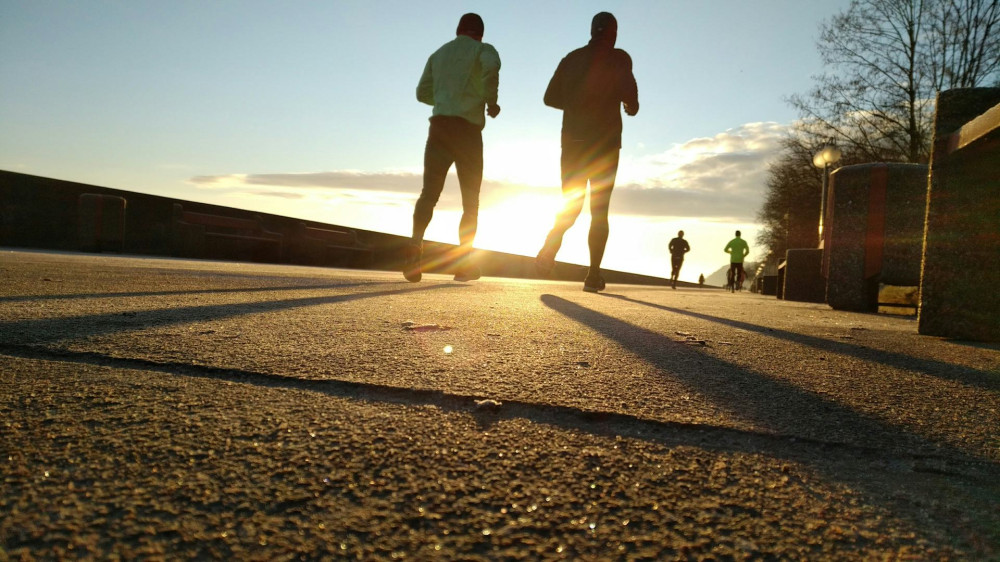
Regular physical activity has a proven positive effect on the immune system. When you move, blood circulation increases, helping immune cells travel more efficiently throughout the body. This makes them better at detecting and fighting harmful microorganisms.
Moderate exercise—like brisk walking, cycling, or swimming—strengthens immunity, while excessive, intense training without rest can have the opposite effect.
Healthy movement habits:
- Aim for at least 30 minutes of activity a day, even if broken into shorter sessions.
- Combine cardio with strength training a few times a week.
- Take the stairs, go for a walk during lunch, or stretch at home.
Consistency matters more than intensity. An active lifestyle keeps both body and mind in balance.
The Connection Between Sleep, Nutrition, and Exercise
These three factors are deeply interconnected. A good night’s sleep makes it easier to choose healthy foods and find energy for exercise. In turn, physical activity can improve sleep quality, and a nutrient-rich diet provides steady energy throughout the day. When you nurture all three areas, they reinforce one another, creating a positive cycle for your immune system and overall well-being.
Small Steps, Big Impact
Strengthening your immune system isn’t about drastic changes—it’s about steady, realistic habits. Start with one area: go to bed a bit earlier, add an extra serving of vegetables to dinner, or take a short walk after lunch. Over time, these small steps become a lifestyle that helps your body stay resilient—and your days feel more energized.
Læs også: