Layered Looks: Function and Style in One Outfit

Layered Looks: Function and Style in One Outfit
When the weather can’t make up its mind—chilly mornings, warm afternoons, and cool evenings—layering is your best strategy. It’s not just about staying warm; it’s about flexibility, comfort, and personal style. With the right combination of layers, you can move seamlessly from your morning commute to an outdoor lunch or an evening out. Here’s how to master the art of layering so you’re ready for anything, without sacrificing your look.
The Foundation: The Base Layer
Your base layer sets the tone for the entire outfit. It should keep you comfortable and help regulate your body temperature. Choose materials like merino wool, bamboo blends, or technical fabrics that wick away moisture and breathe well. A classic cotton T-shirt works for everyday wear, but for active days or unpredictable weather, performance fabrics are a smarter choice.
Stick to neutral colors—white, gray, black, or beige—so your base layer complements whatever you wear on top, whether it’s visible or not.
The Middle Layer: Warmth and Texture
The middle layer is where you can play with texture and add depth to your outfit. Its main job is to trap warmth, but it’s also your chance to express your style. Think light sweaters, flannel shirts, or fleece jackets.
For a city-ready vibe, try a wool overshirt or a corduroy shacket. For a more casual or outdoorsy look, a hoodie or quilted vest works perfectly. The key is versatility—your middle layer should be easy to take off or put on as the temperature changes.
The Outer Layer: Protection and Polish
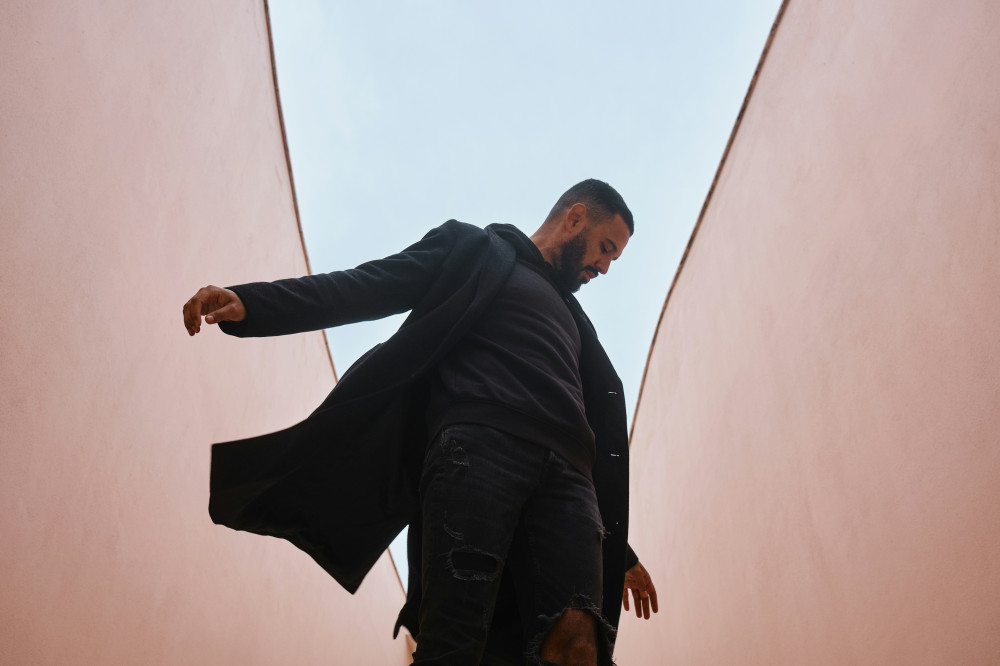
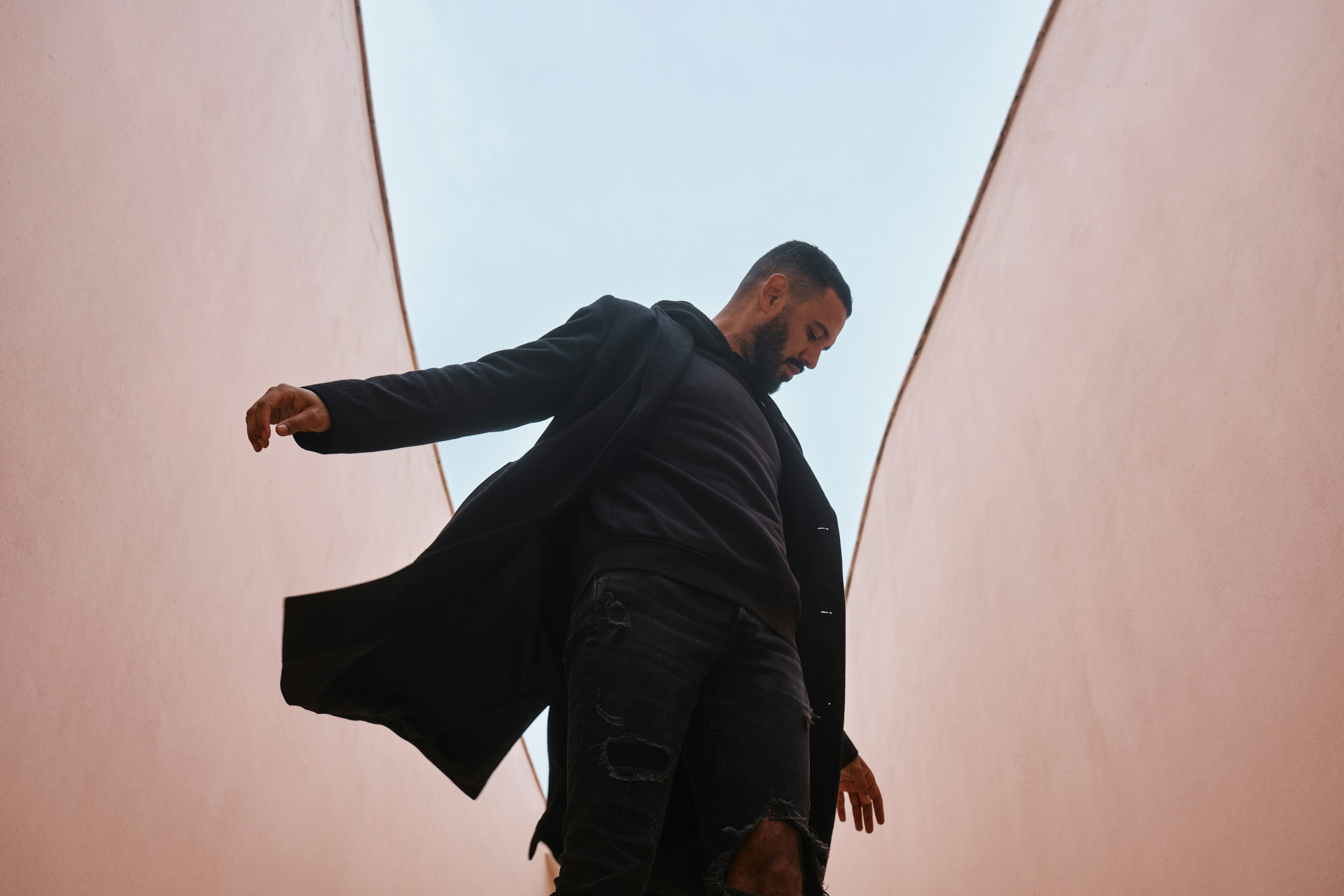
Your outer layer ties everything together while shielding you from the elements. The right choice depends on the season and your plans. A trench coat or light cotton jacket is ideal for spring and fall, while a shell jacket or wool coat is better suited for colder months.
Mixing materials can create a modern, balanced look—try pairing a technical rain jacket with a soft knit sweater underneath. Make sure your outer layer has enough room for the layers beneath, so you can move comfortably without feeling bulky.
Color and Material Harmony
Layering isn’t just functional—it’s an opportunity to create visual interest. Combine different textures like smooth nylon, chunky wool, and crisp cotton for a dynamic, balanced outfit.
If you prefer a minimalist look, keep your colors within the same palette—think earth tones or monochrome shades. For a bolder statement, add one contrasting color, such as a navy jacket over tan and cream layers. It adds depth without overwhelming your outfit.
Læs også:



Smart Details That Make a Difference
Small details can elevate your layered look from practical to polished:
- Zippers and buttons let you adjust ventilation and comfort.
- Rolled sleeves or open shirts create a relaxed, effortless vibe.
- Light accessories like scarves, beanies, or gloves add warmth and personality.
- A leather or canvas backpack keeps your hands free and gives you space to stash a layer when the sun comes out.
From Office to Outdoors – One Look, Many Lives
The beauty of layering is its adaptability. A button-down shirt and lightweight sweater under a jacket can take you from a morning meeting to a casual dinner. Remove a layer, roll up your sleeves, and you’re instantly more relaxed.
Swap dress shoes for sneakers for a modern twist, or go with boots for a classic, rugged finish. Your layers become more than just practical—they become part of your personal expression.
Layering as a Lifestyle
Mastering the art of layering is really about embracing flexibility—in your wardrobe and your day-to-day life. It’s about being ready for change while staying true to your style. Once you find the combinations that work for you, layering becomes second nature—a year-round approach to dressing that’s as functional as it is fashionable.
Læs også: