Eat Right All Day – Get the Energy You Need for Work, Exercise, and Leisure

Eat Right All Day – Get the Energy You Need for Work, Exercise, and Leisure
A busy day demands energy—both mental and physical. Whether you spend your time at a desk, on your feet, at the gym, or with your family, what and when you eat can make a big difference. It’s not just about choosing healthy foods, but also about timing and balance. Here’s how to fuel your body throughout the day so you can stay focused, strong, and energized from morning to night.
Breakfast – Set the Tone for the Day
Breakfast jump-starts your metabolism and helps you stay alert. A balanced meal with complex carbs, protein, and healthy fats keeps your blood sugar steady and your energy consistent.
- Choose whole grains – oatmeal, whole-wheat toast, or whole-grain cereal provide long-lasting energy.
- Add protein – eggs, Greek yogurt, cottage cheese, or plant-based options like tofu or nut butter.
- Include fruits or veggies – berries, a banana, or spinach in an omelet add vitamins and fiber.
If you skip breakfast, you may find yourself reaching for sugary snacks later. Even a quick smoothie or a slice of toast with peanut butter is better than nothing.
Mid-Morning Snack – Avoid the Energy Dip
A few hours after breakfast, your energy might start to fade. A small, smart snack can help you stay focused.
Go for something that combines protein and fiber—for example, a handful of almonds, an apple with a spoonful of peanut butter, or a small yogurt with fruit. Avoid sugary pastries or candy bars that cause a quick spike and crash in energy.
Lunch – Fuel for the Rest of the Workday
Lunch should refuel you without making you sluggish. A balanced plate helps you stay productive all afternoon:
- Half your plate with vegetables
- One-quarter with lean protein (chicken, fish, beans, or eggs)
- One-quarter with whole grains (brown rice, quinoa, or whole-wheat bread)
If you’re eating out, look for grilled options, salads with protein, or grain bowls. Skip heavy sauces and fried foods that can leave you tired.
Afternoon – Stay Sharp with a Light Snack
The afternoon slump is real. Instead of reaching for chips or cookies, choose something that keeps your energy steady:
- Veggie sticks with hummus
- A smoothie made with fruit and yogurt
- A piece of fruit and a handful of nuts
These options provide nutrients and help you avoid overeating at dinner.
Læs også:
Before Exercise – Eat Enough, Not Too Much
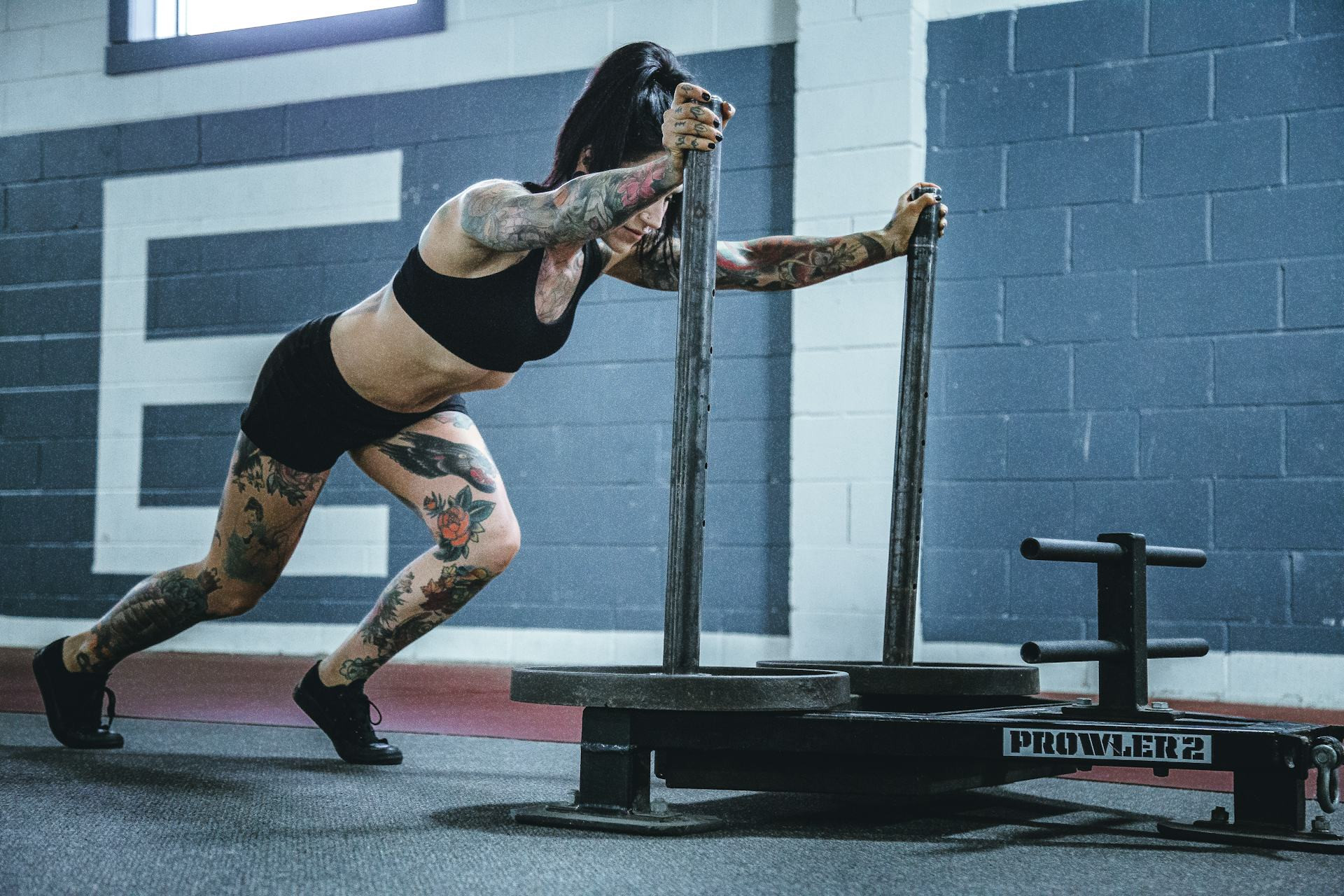
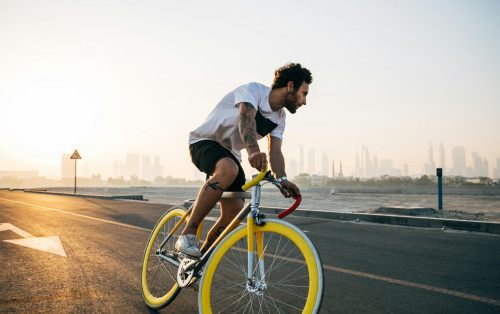
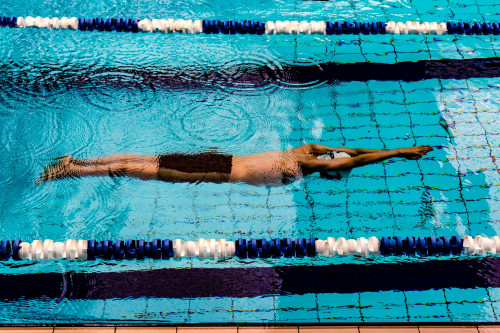
If you work out after work, you’ll need fuel—but not a heavy meal. Eat a light snack 1–2 hours before exercising, such as:
- A bowl of oatmeal with milk and fruit
- A whole-grain English muffin with peanut butter
- A banana and a small yogurt
This gives your body the energy it needs to perform without weighing you down.
After Exercise – Rebuild and Recover
After a workout, your body needs both carbs and protein to repair muscles and restore energy. Eat within an hour after exercising:
- A wrap with chicken and veggies
- A smoothie with milk, berries, and protein powder
- A balanced dinner with rice, vegetables, and fish
This helps your body recover faster and get stronger over time.
Dinner – End the Day with Balance
Dinner should satisfy you and help your body wind down. Combine lean protein, vegetables, and a moderate amount of carbs. Avoid large, heavy meals late at night, which can interfere with sleep.
Try baked salmon with roasted vegetables and quinoa, or a hearty vegetable chili with beans and brown rice. And don’t forget to drink water—fatigue is often a sign of dehydration.
Small Habits, Big Results
Eating right all day isn’t about strict rules—it’s about rhythm and balance. Here are three simple habits that make a big difference:
- Eat regularly – three main meals and two or three small snacks keep your energy steady.
- Stay hydrated – drink water throughout the day to prevent fatigue and headaches.
- Listen to your body – eat when you’re hungry, and stop when you’re satisfied.
When you find a routine that fits your lifestyle, you’ll have more energy for everything—work, workouts, and the moments that matter most.
Læs også: