Colors and Textures: How Building Materials Influence the Experience of a Space

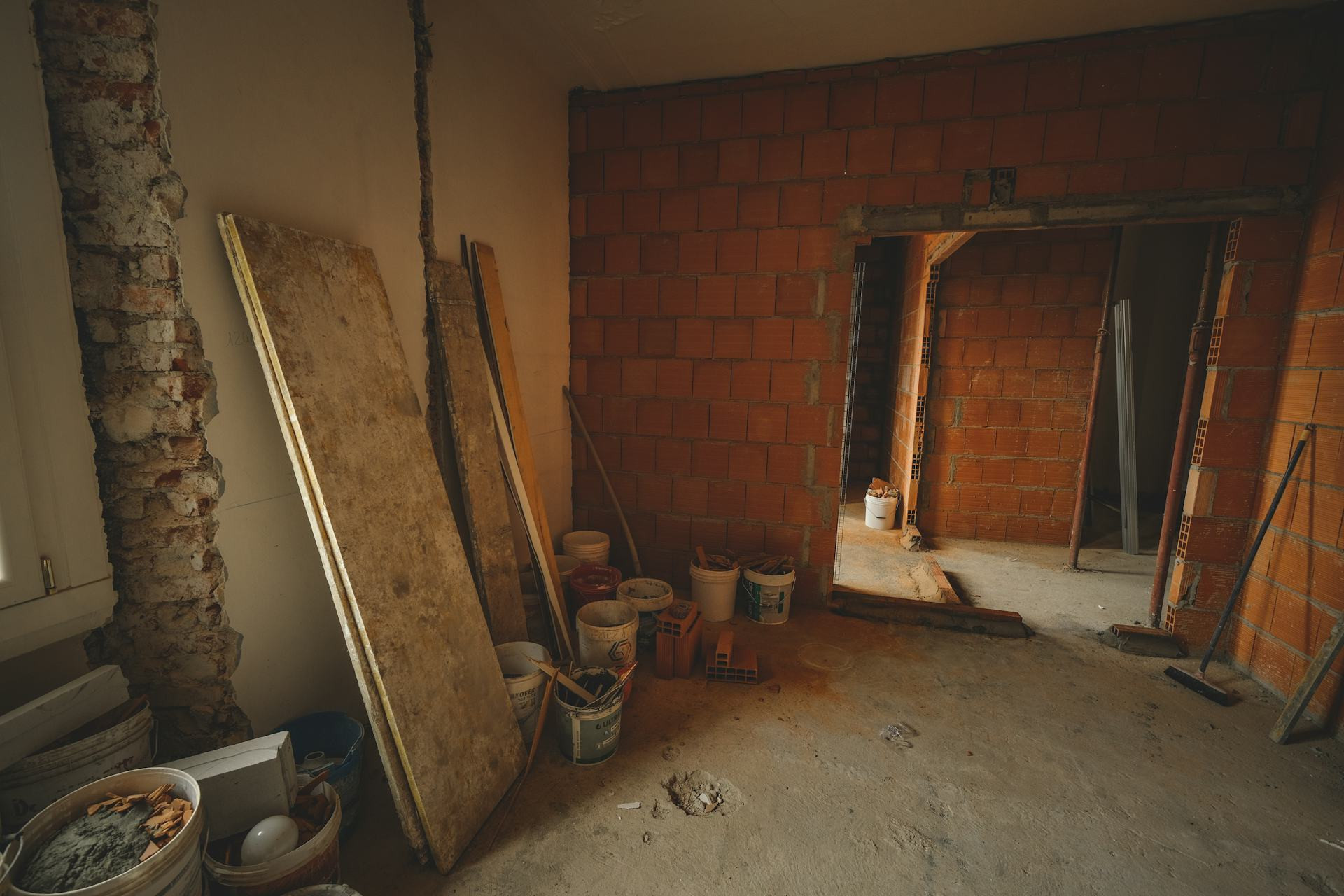
Colors and Textures: How Building Materials Influence the Experience of a Space
When we walk into a room, we instantly sense its atmosphere—whether it feels warm, calm, vibrant, or sterile. That impression isn’t just shaped by furniture or lighting. The colors, surfaces, and textures of the building materials themselves play a crucial role in how we experience a space. From exposed concrete walls to polished wood floors and sleek glass panels, materials influence both our senses and our emotions.
The Psychology of Color in Architecture
Color is more than decoration—it affects how we feel and behave. Architects and interior designers use color intentionally to create moods and support the function of a space.
- Warm colors like red, orange, and yellow bring energy and liveliness but can feel overwhelming in large doses. They work well in social areas such as kitchens, dining rooms, or family spaces.
- Cool colors like blue and green evoke calm and focus. They’re often used in bedrooms, bathrooms, or offices where relaxation or concentration is key.
- Neutral colors like gray, beige, and white provide balance and serve as a backdrop for other materials. They can make a room feel larger and more open but may need texture to avoid feeling sterile.
Lighting also changes how colors appear. Natural light shifts throughout the day, and artificial lighting can make colors seem warmer or cooler. That’s why color choices should always be tested in the actual light conditions of the space.
The Role of Texture – When Surfaces Speak to the Senses
Texture is about how a surface looks and feels. It can be smooth, rough, matte, glossy, soft, or hard—and it shapes both the visual and tactile experience of a room.
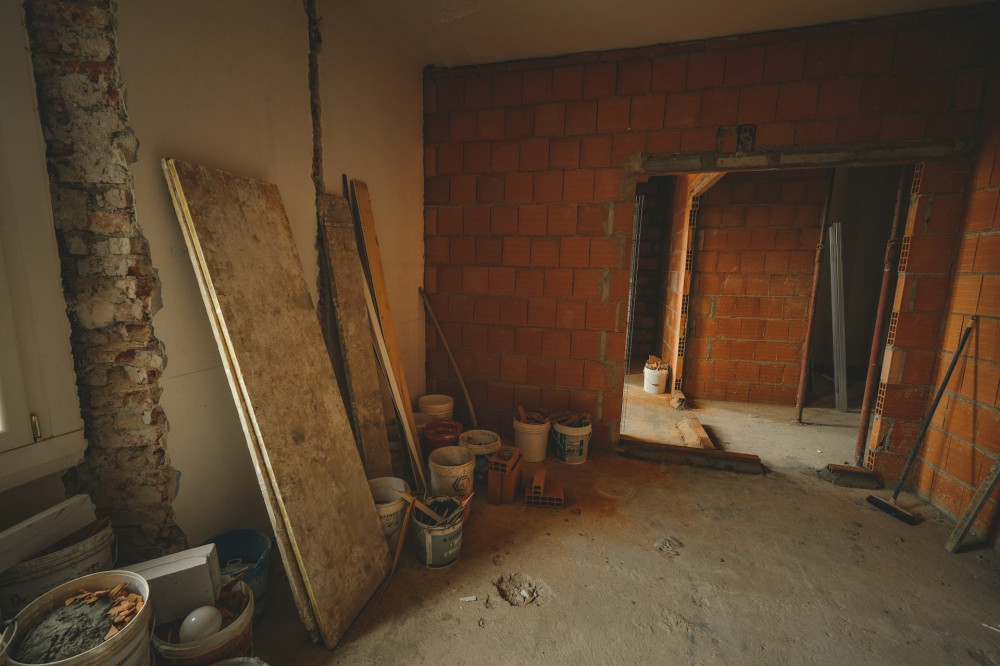
Spaces dominated by smooth materials like glass, metal, or polished stone often feel modern and minimalist, but they can also come across as cold or impersonal. Rougher materials such as brick, wood, or woven fabrics add warmth and depth. Combining different textures creates balance and makes a space more engaging.
A classic example is the pairing of wood and concrete. Wood brings warmth and a natural touch, while concrete adds solidity and calm. Together, they create a contrast that feels both contemporary and inviting.
Material Authenticity and Sustainability
As sustainability and authenticity have become central values in American design, interest in natural materials has grown. Wood, clay, stone, and lime-based finishes are appreciated not only for their environmental benefits but also for their tactile and visual richness. These materials age gracefully, showing the passage of time and use.
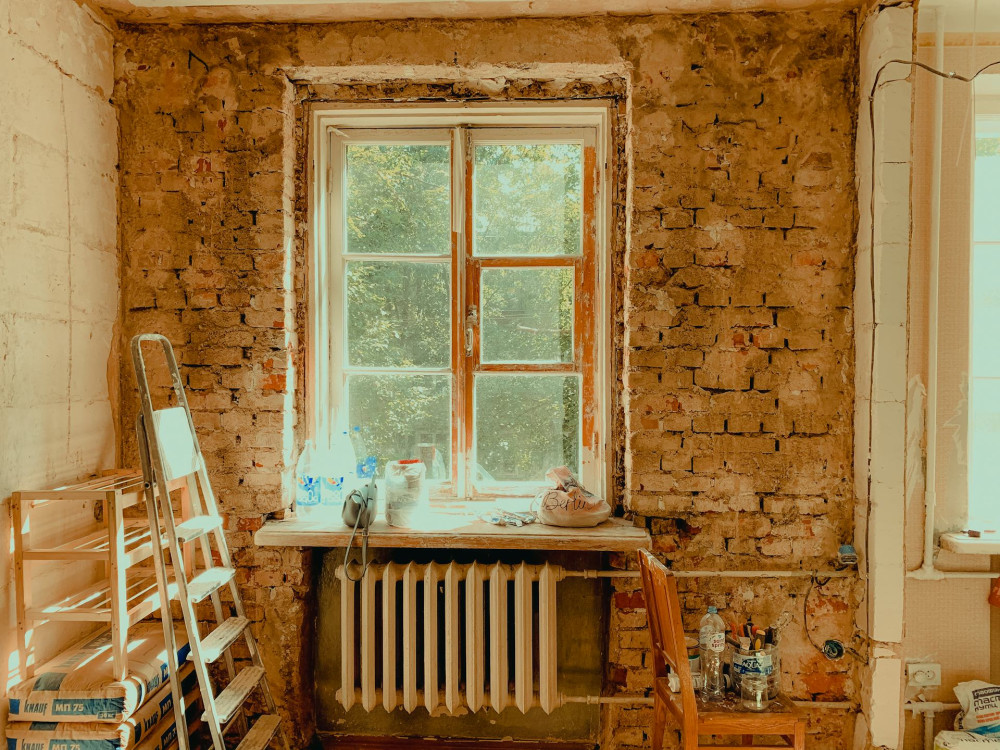
Authentic materials have a sensory quality that many people crave in an increasingly digital world. A wall of reclaimed brick or a floor of solid oak tells a story and gives a space character. Even small details—visible joints, natural imperfections, or patina—can make a room feel more genuine and lived-in.
Balancing Color, Texture, and Function
When choosing materials, it’s important to consider how they support the purpose of the space. A bathroom needs surfaces that resist moisture, while a living room can embrace softer, more porous materials that add comfort.
Good design is about balance:
- Too many hard surfaces can create harsh acoustics and a cold atmosphere.
- Too many soft materials can feel heavy or cluttered.
- A thoughtful mix of both brings harmony and comfort.
Colors and textures should never be chosen in isolation. They work best as part of a cohesive design where function, aesthetics, and sensory experience come together.
How to Work with Materials in Your Own Home
You don’t need to be an architect to use color and texture intentionally. Here are a few simple guidelines:
- Start with the feeling – decide how you want the room to feel: calm, energetic, cozy, or airy.
- Build a base – use neutral tones and simple materials as a foundation, then add contrast through accents.
- Layer textures – mix matte and glossy finishes, hard and soft materials, to create depth.
- Look to nature – natural color palettes and textures almost always harmonize.
- Think long-term – choose materials that age well and that you’ll enjoy living with for years.
Læs også:

A Space That Feels Right
When color and texture work together, they create a subtle harmony that we sense before we even notice it. A room can feel warm, peaceful, or inspiring—not just because of its furniture, but because the materials around us speak to our senses.
Building materials are more than functional elements; they shape our daily experiences. They influence our mood, define our comfort, and turn our houses into homes that truly feel like our own.
Læs også: